7 hr
Livorno Port: Pisa & Lucca Shore Excursion by Bus
- Expert local guide
- Small group
- Skip-the-line access
- Free cancellation
Livorno Cruise Port to Lucca — Shore Excursions & City Tours
Medieval ramparts and cobbled piazzas, an hour inland from the Tyrrhenian coast
Compare fares, pick the fit — all bookings are mobile-voucher and eligible for free cancellation where shown.
7 hr
2 hr
1 hr
Navigating the transit from the livorno cruise port to lucca is simple as there are no official tiered entry fees for city access. Visitors may choose between independent travel or organized transportation to explore these historic tuscan landmarks.
|
Top pick Public Transit Independent Travel |
Private Transfer Direct Shuttle | |
|---|---|---|
| Entrance Fee | 0 EUR | 0 EUR |
| Access Method | Regional train or bus | Pre-booked vehicle |
| Wait Time | Depends on schedule | Fixed pickup time |
| Flexibility | High | Low |
| Best For | Budget-conscious travelers | Efficiency seekers |
| See tickets & prices |
Verdict: For the best livorno cruise port to lucca tickets experience, opt for public transit if you value flexibility or a private transfer if you prefer direct livorno cruise port to lucca tours service.
Worth it for culture seekers with time
The journey from livorno cruise port to lucca delivers one of Tuscany's best-preserved Renaissance cities, roughly 50 minutes inland by bus. Port access itself costs nothing—you walk from Piazzale dei Marmi to the shuttle terminus—but bookable shore excursions start around €50–70 per person for roundtrip transport and guided entry to the historic center. What you get: intact medieval walls you can cycle atop, cobbled piazzas framed by Romanesque churches, and the chance to trace Puccini's roots in his birthplace. The catch is time: cruise port windows rarely allow more than four hours in Lucca after transit, limiting deep exploration. Visitors prioritizing walled-city charm and opera history will find livorno cruise port to lucca tours deliver genuine cultural payoff; those chasing Tuscan countryside or wine estates should pivot to Pisa-and-countryside combinations instead.
Bottom line: If you value intact historic fabric over postcard landscapes, the livorno cruise port to lucca tickets justify the transit—just book early slots to maximize your window.
Lucca offers a tranquil medieval experience within fortified walls, whereas Pisa provides a faster-paced encounter with world-famous architectural icons. For many, choosing between these two options depends on whether you prefer immersive rampart strolls or quick access to iconic photography spots via livorno cruise port to lucca tours.
|
Top pick Lucca |
Pisa | |
|---|---|---|
| Atmosphere | Quiet, historic, walled city | |
| Primary Landmark | Renaissance city walls | |
| Walking Intensity | Moderate (pedestrianized center) | |
| Crowd Density | Moderate to low | |
| Travel Time from Livorno | 60–75 minutes | |
| See tickets & prices |
Verdict: Select Lucca if you desire a relaxed afternoon using livorno cruise port to lucca tickets for local exploration, or choose Pisa for a direct experience with its central piazza and world-renowned monuments.
Hand-picked experiences loved by thousands of travelers
8 hours
Free Cancellation
Discover medieval Lucca's hidden charm, visit Pisa's iconic tower, and savor wines at a countryside estate
9 hours
Free Cancellation
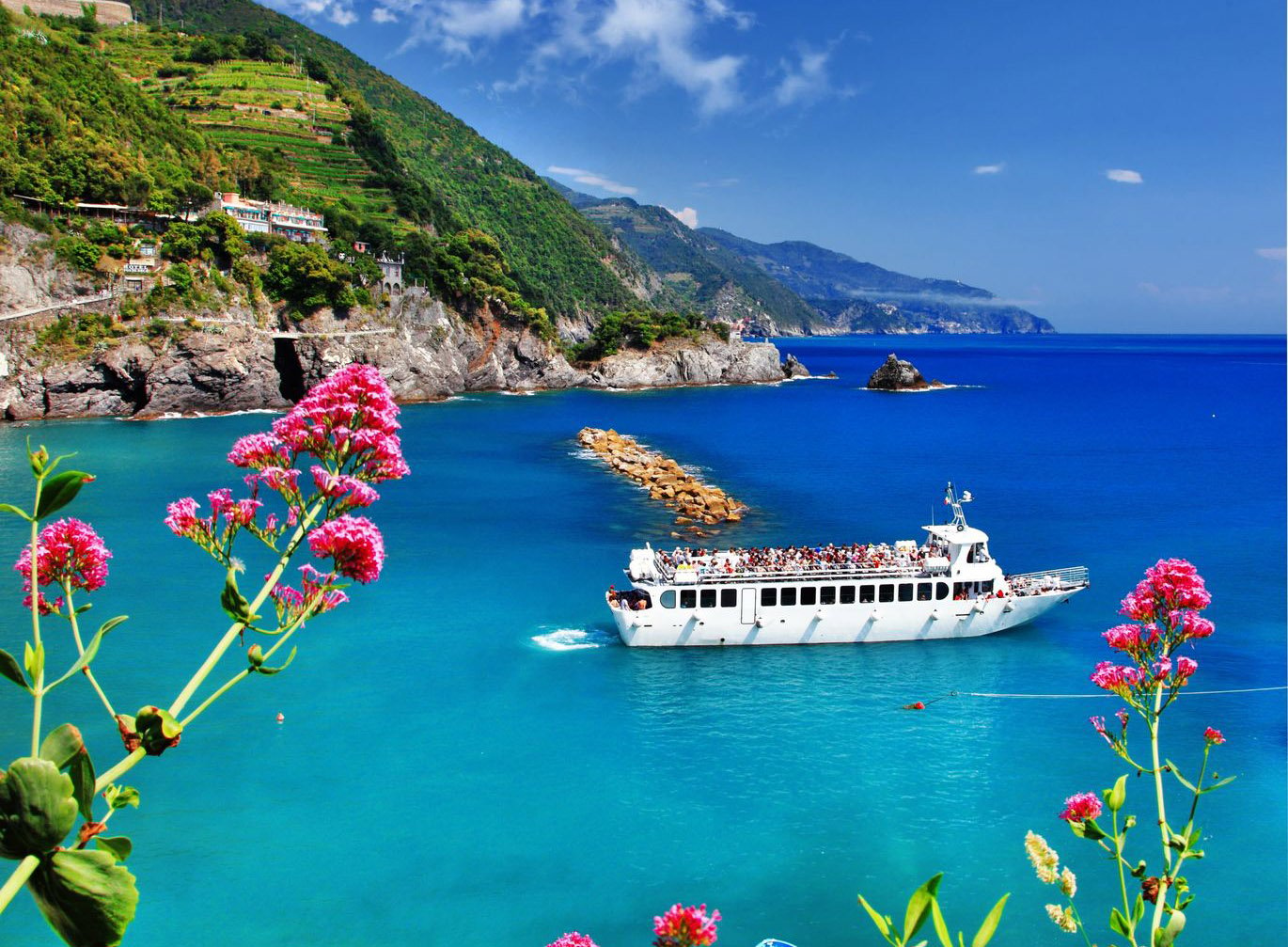
Discover three stunning coastal villages by boat and train on this full-day adventure from Lucca
3 hours
Free Cancellation
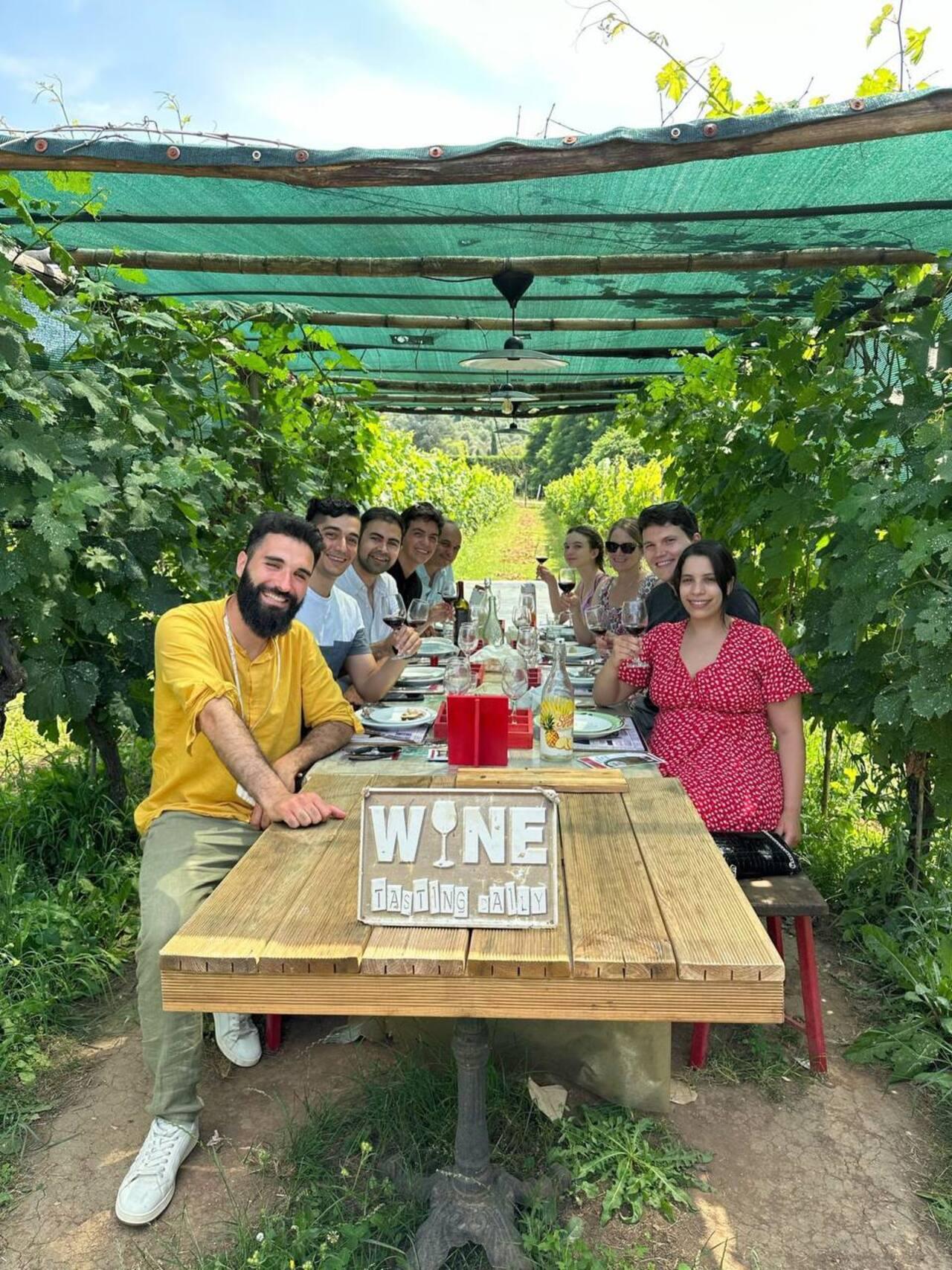
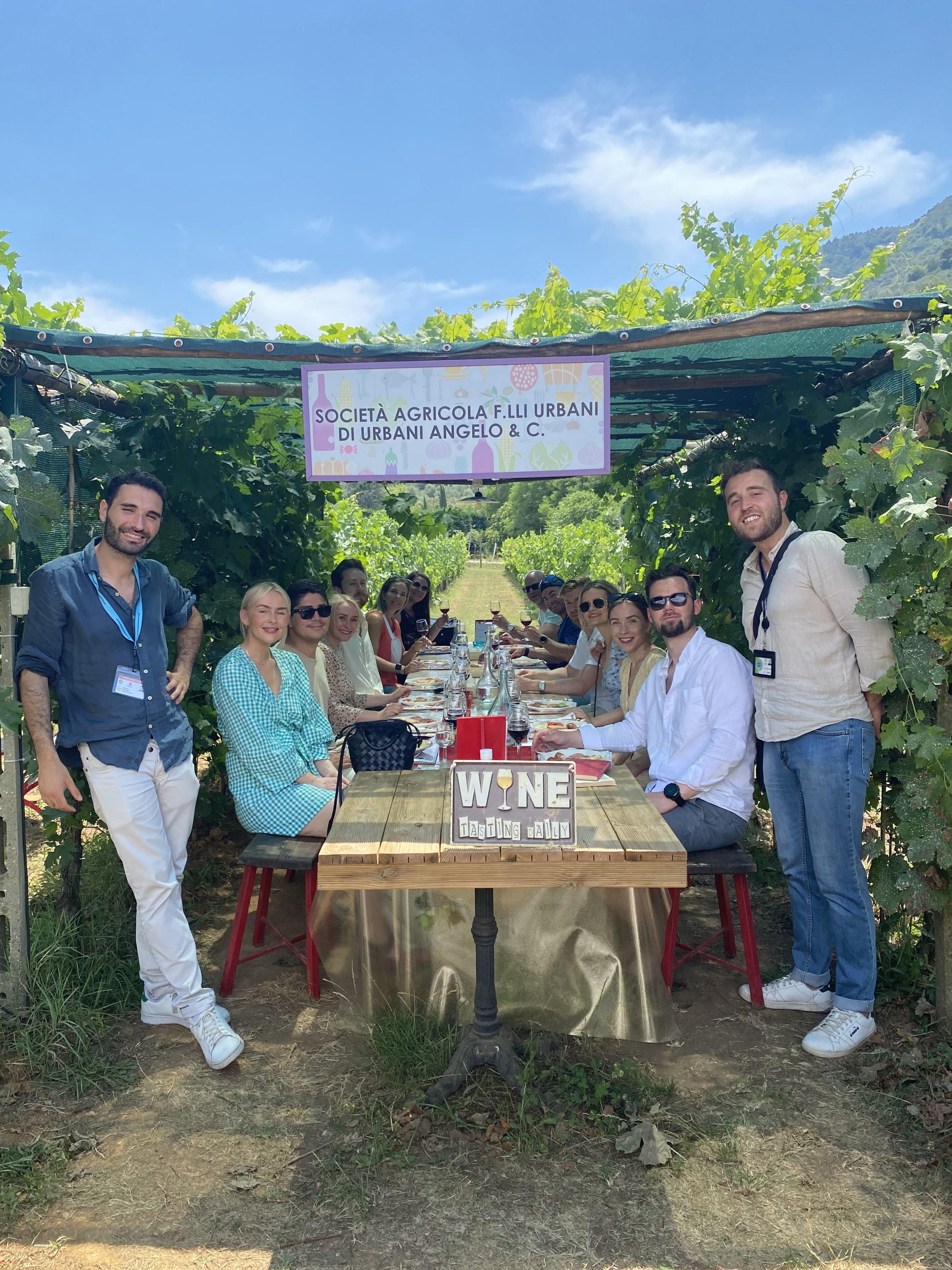
Journey into Tuscany's hills for an intimate wine tasting at a family-run winery with expert transport included
4.5 hours
Free Cancellation
Learn authentic Tuscan recipes in a beautiful countryside setting with local wine and farm-fresh ingredients
6 hours
Free Cancellation
Discover two family-run wineries in the Lucca hills with tastings, vineyard walks, and local food pairings.
45 minutes
Free Cancellation
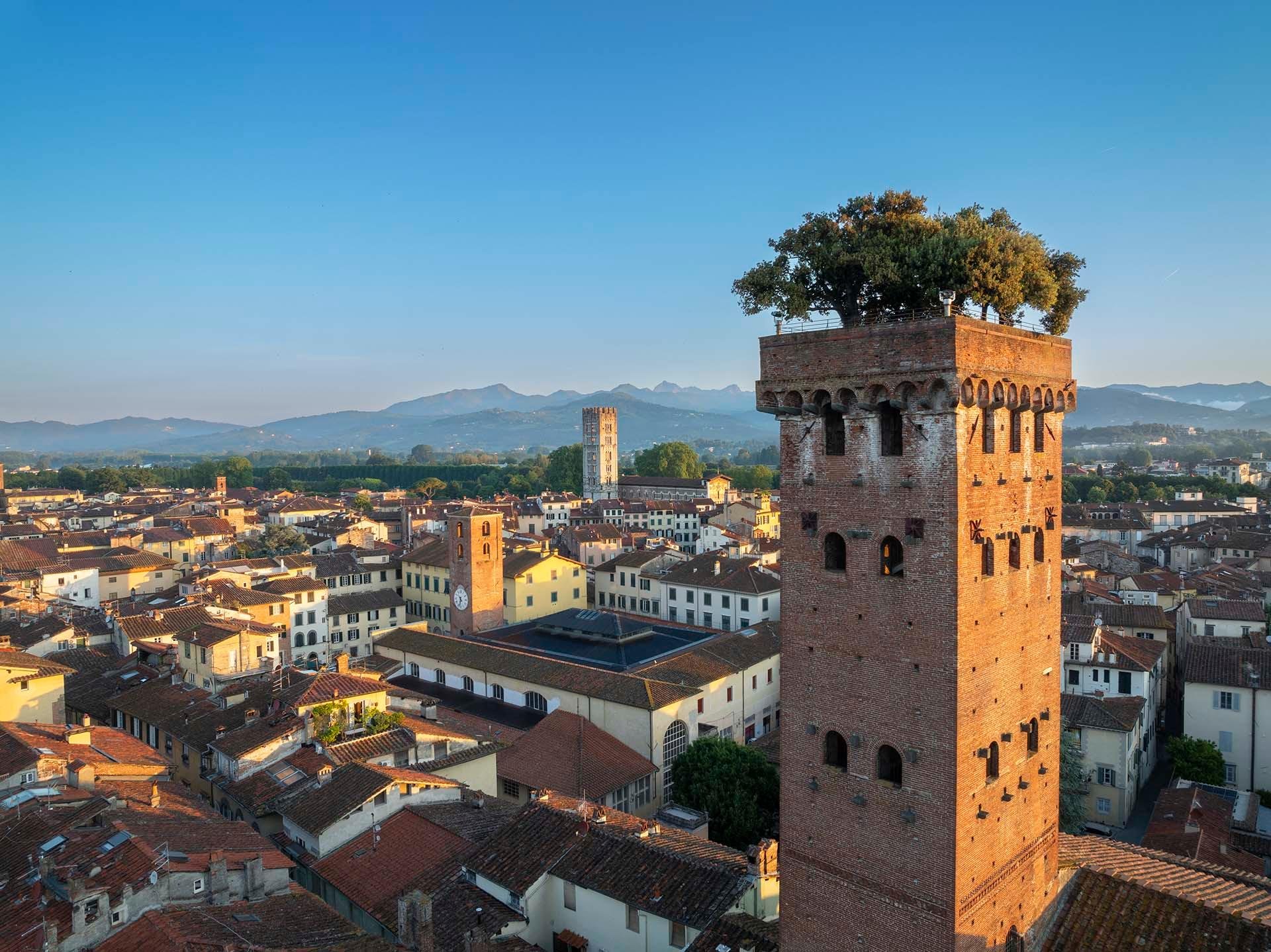
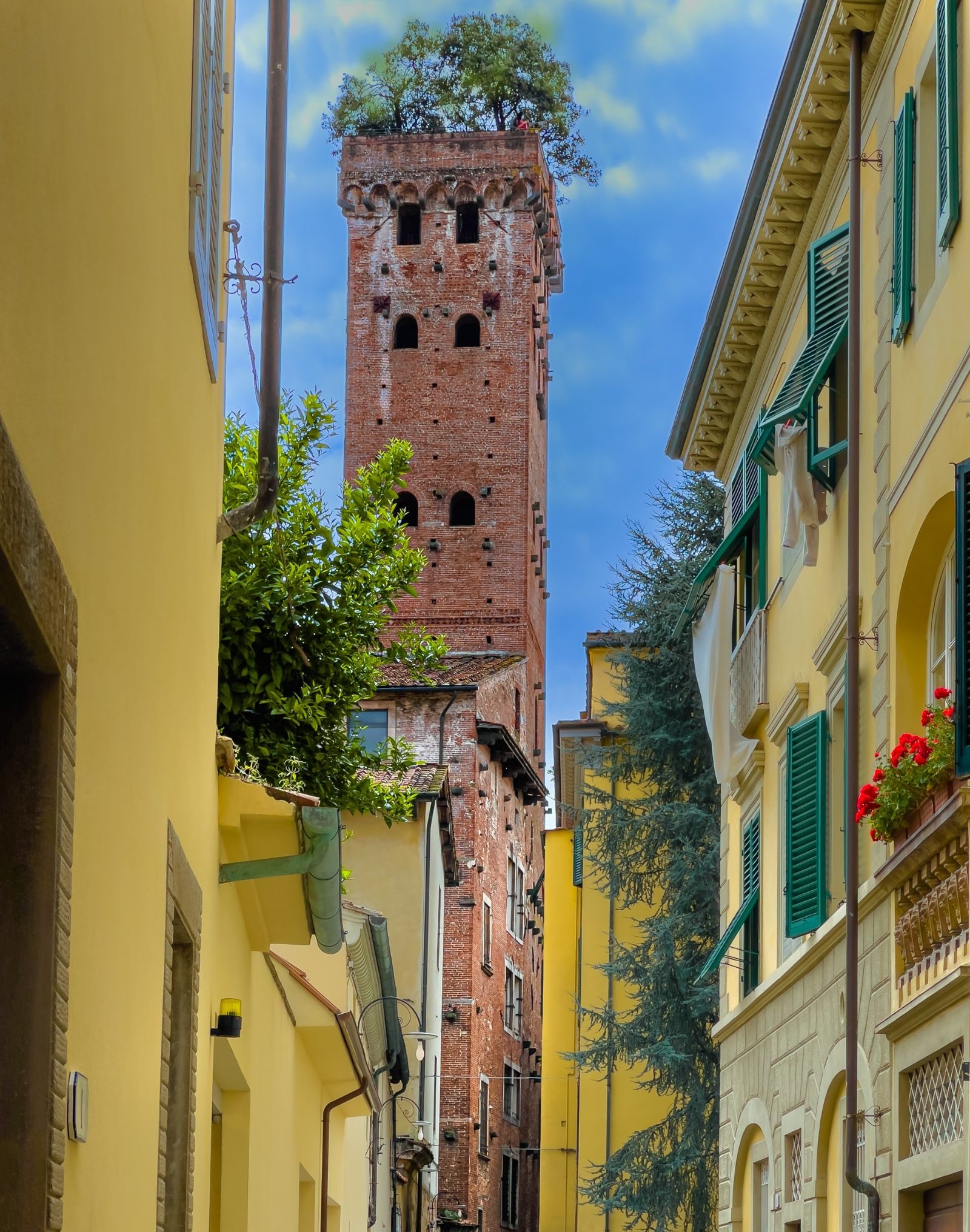
Climb a medieval landmark crowned by centuries-old oak trees and take in sweeping views across Lucca.
3 hours
Free Cancellation
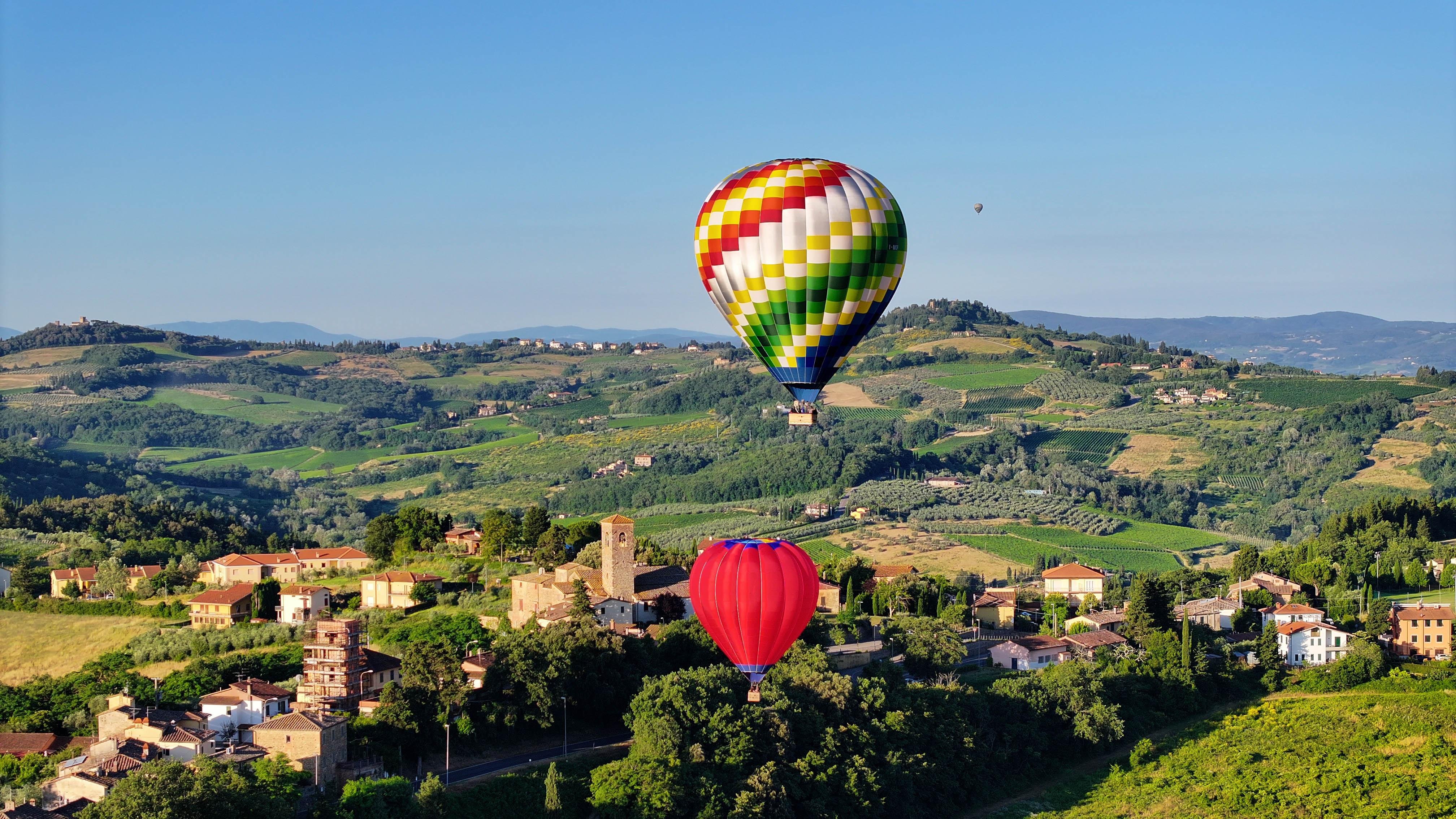
Soar above Tuscan vineyards and cypress hills on a champagne-toasted balloon adventure
8 hours
Free Cancellation
Discover two UNESCO sites, taste wines at a historic estate, and tour Lucca with a local expert
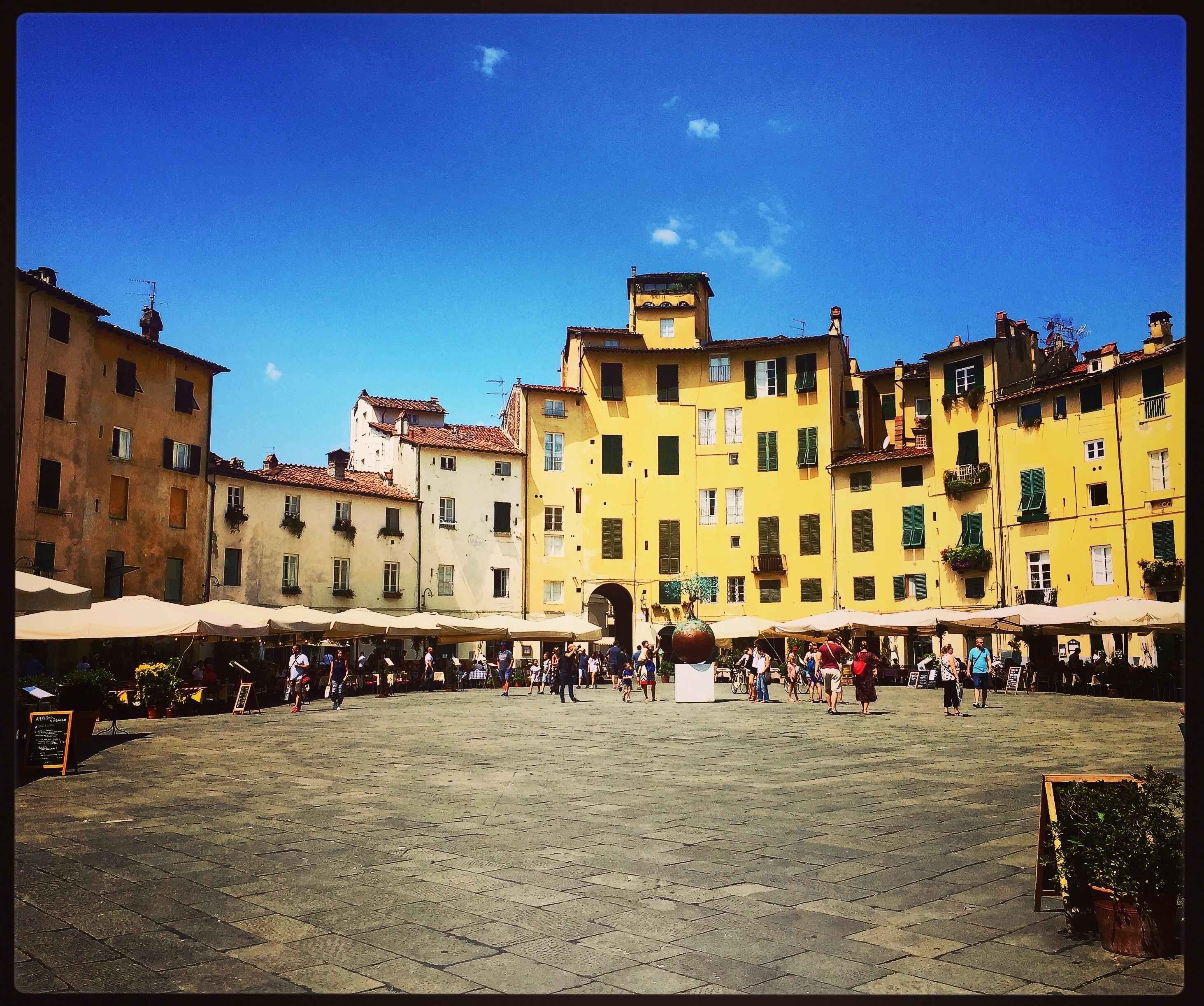
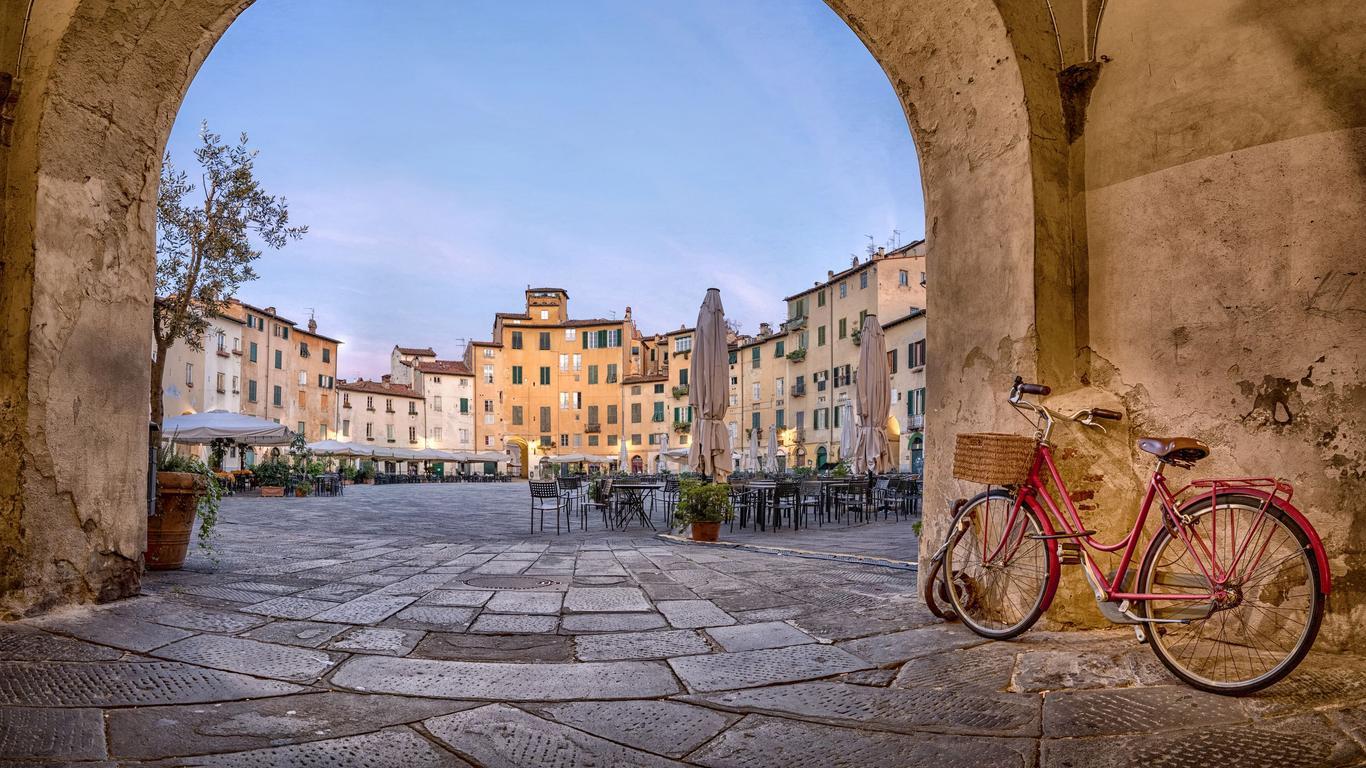
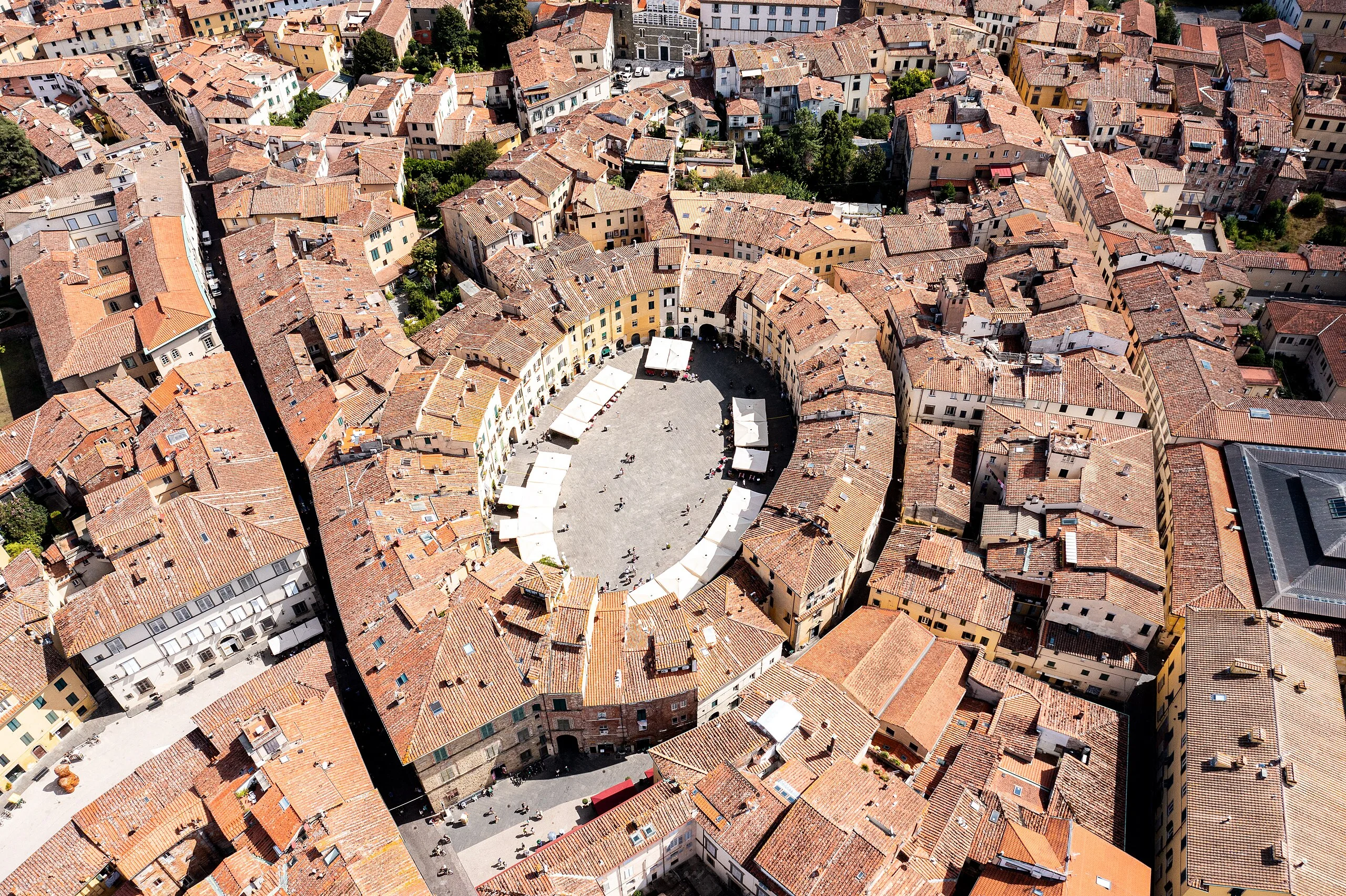
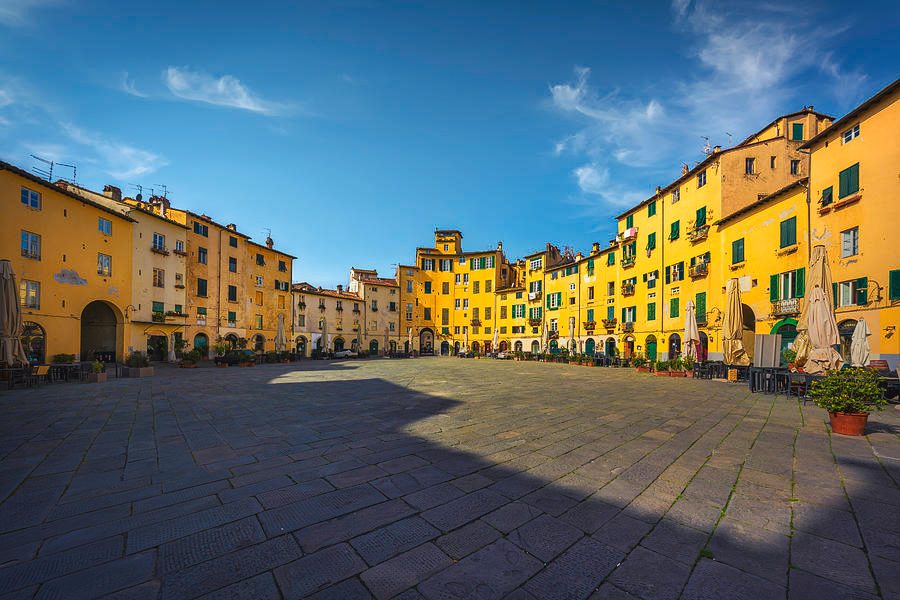
An elliptical square constructed over a Roman amphitheater. It features 54 distinct buildings surrounding the central plaza.
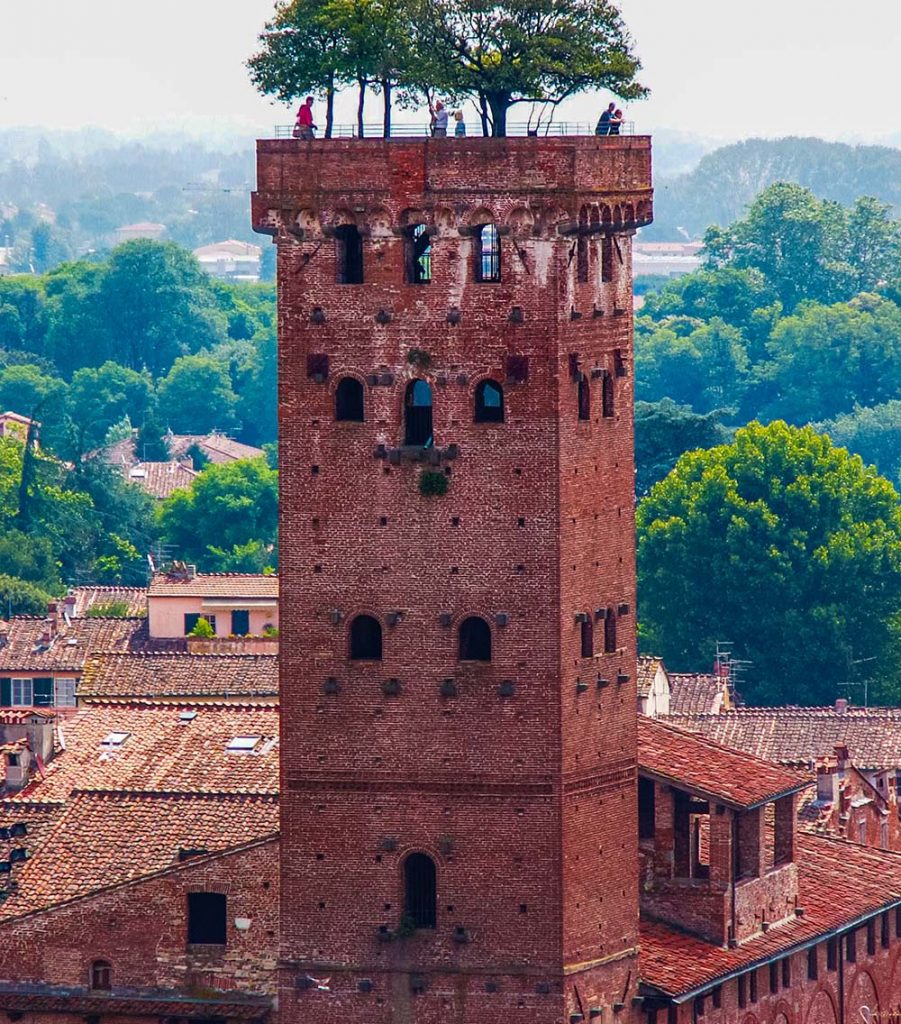
A 44-meter tall tower known for the centuries-old holm oaks on its roof. It provides a unique perspective of the city architecture.
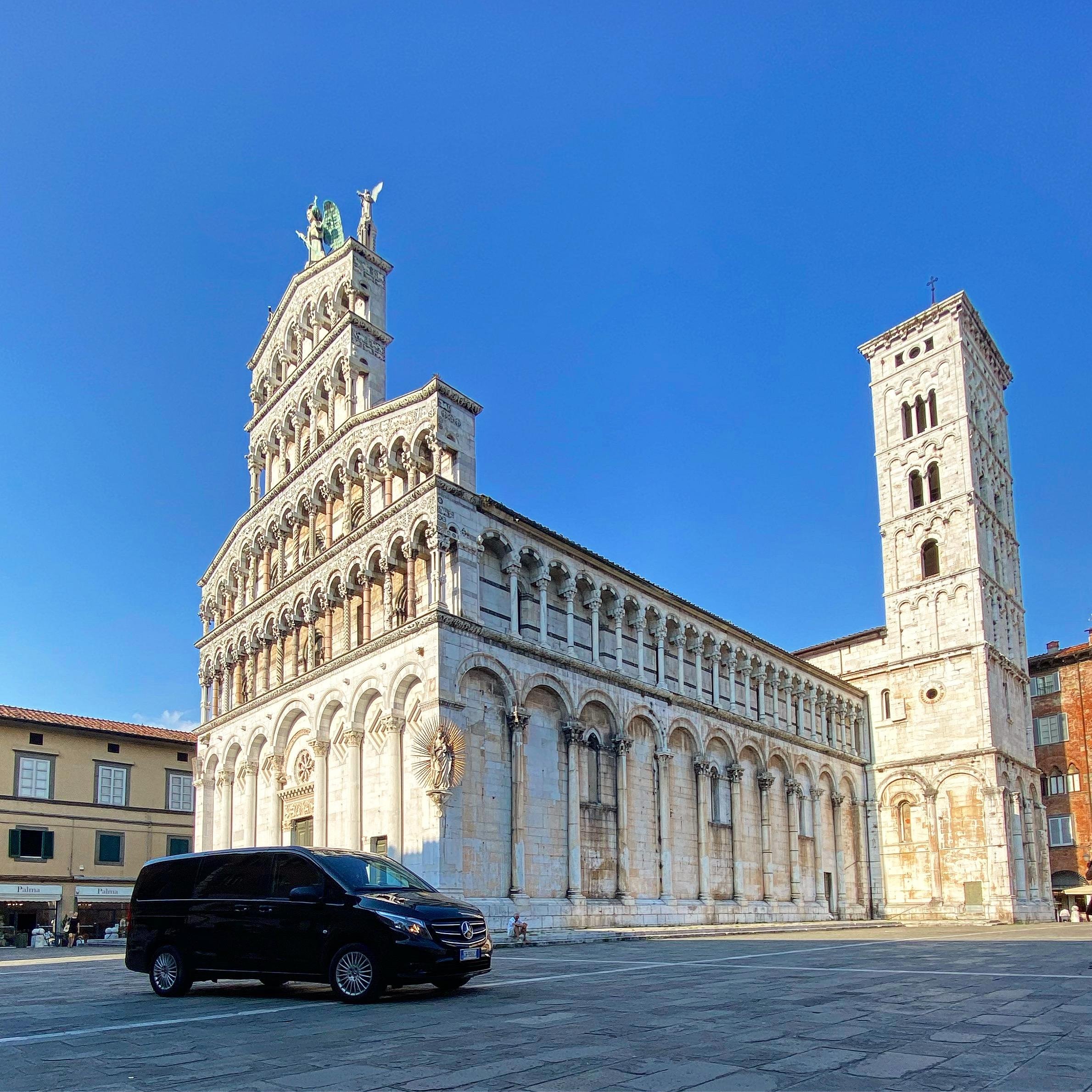
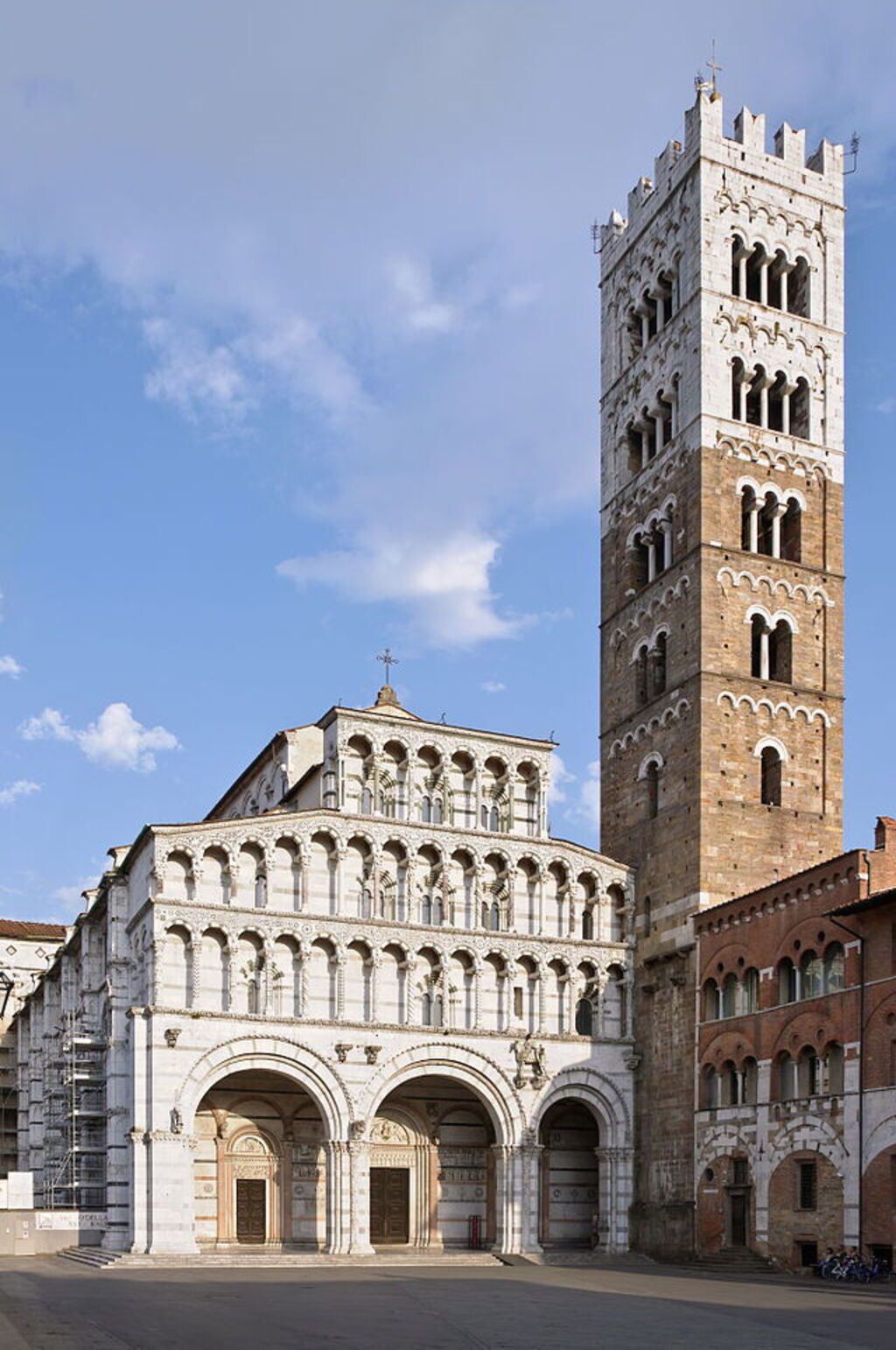
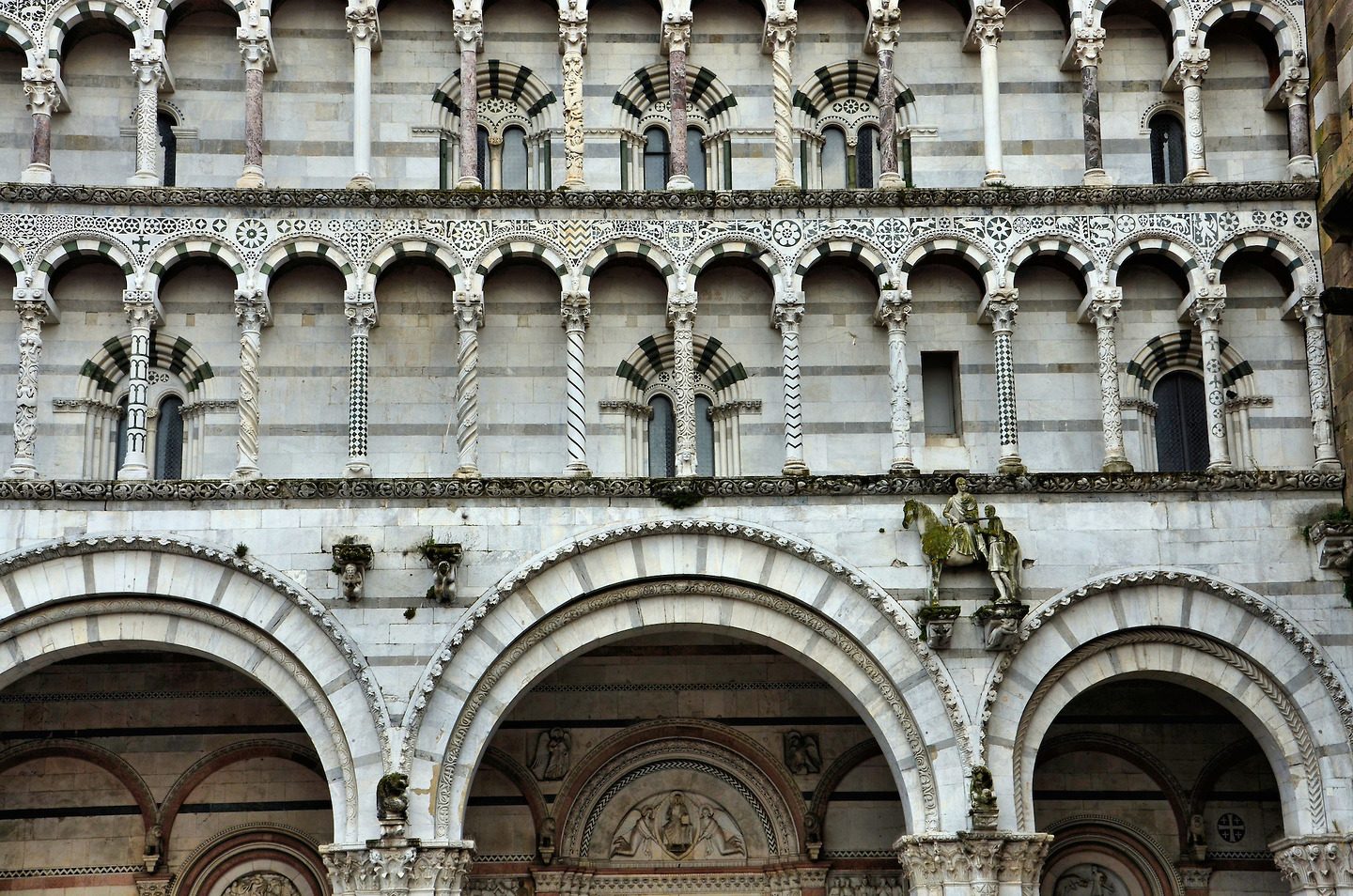
A religious landmark featuring a 13th-century facade. It contains a sacred wooden cross known as the Volto Santo.
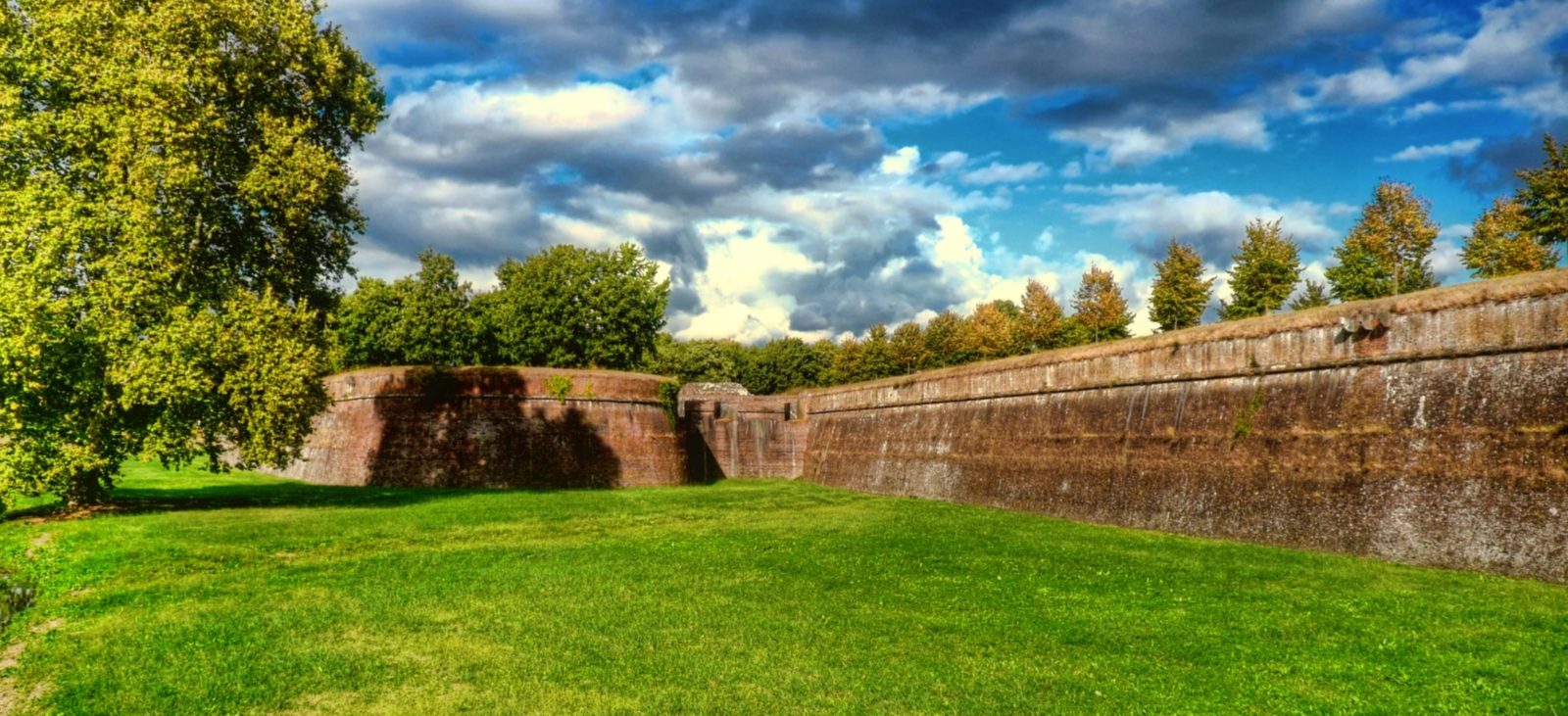
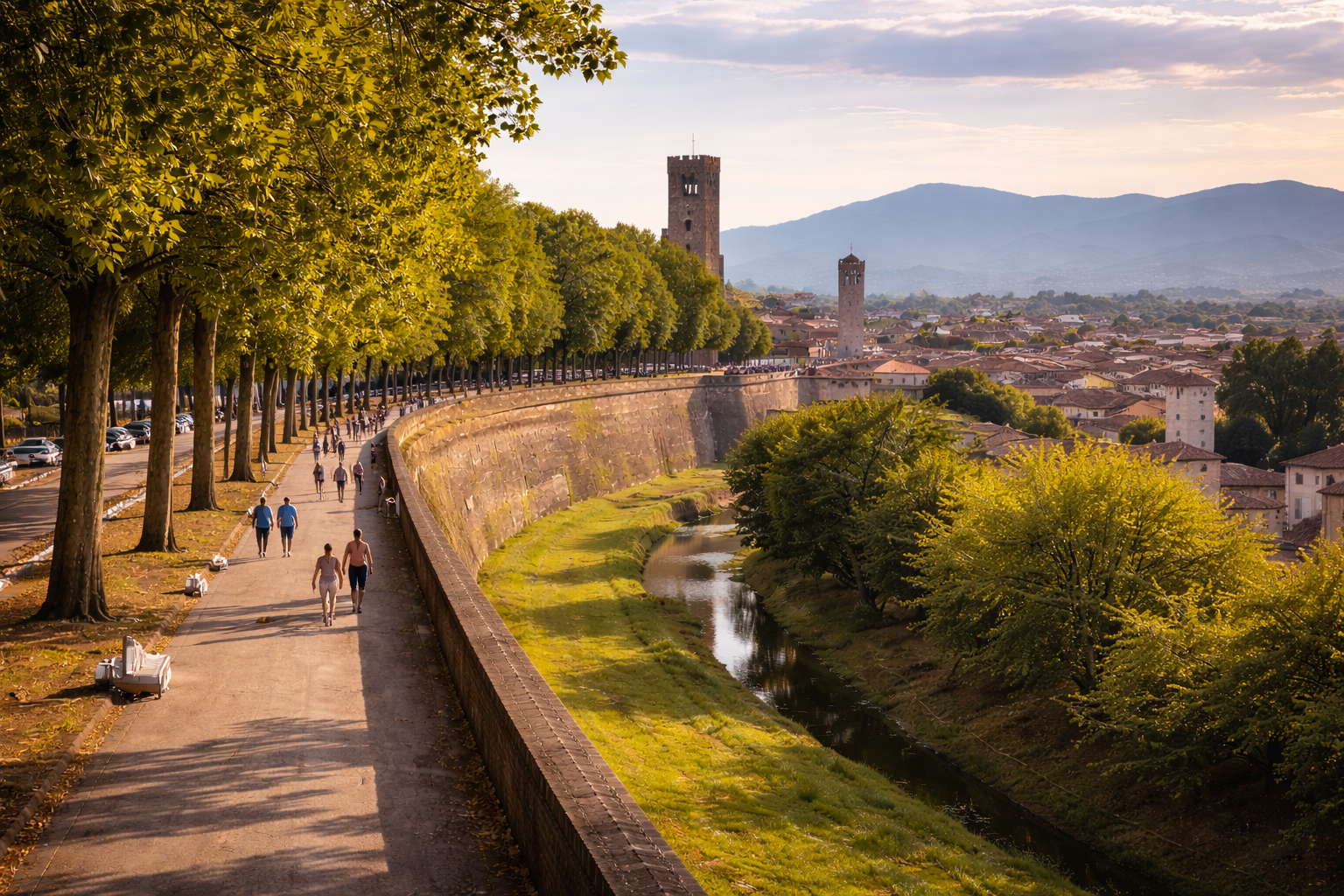
A 4-kilometer long fortification system used today as a public park. The walls have been preserved since the 16th century.
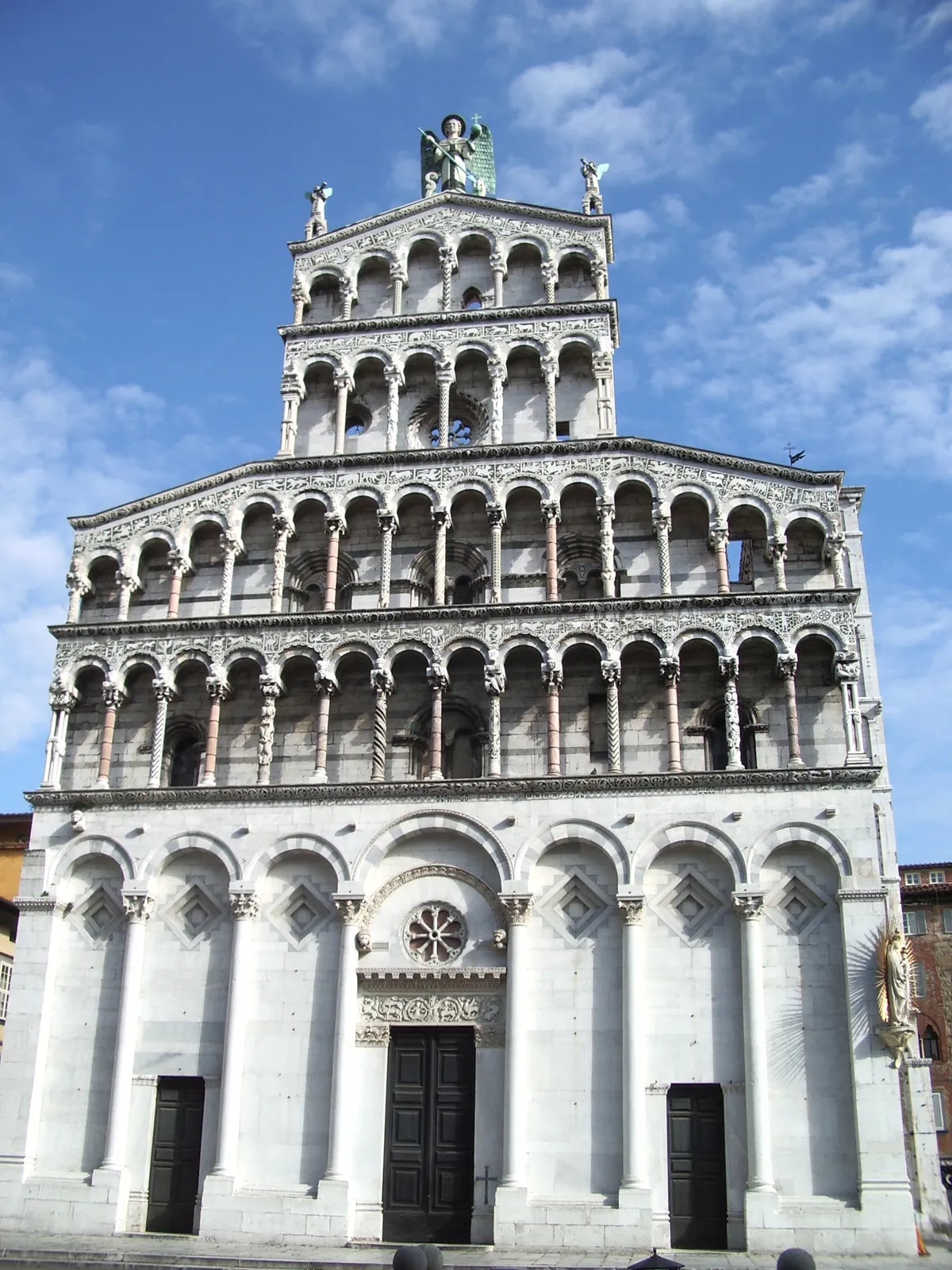
A historic church built on an ancient Roman forum. The facade displays intricate 12th-century stone carvings and sculptures.
All the details about your upcoming adventure in one place
Lucca's four-kilometre Renaissance ramparts remain the most intact urban circuit walls in Europe, a fortification never tested in battle that became a tree-lined promenade by 1866.
The bastions rise twelve metres above the Via Fillungo, where Roman street grids still dictate the flow of traffic beneath medieval tower houses. Unlike Florence or Siena, Lucca refused submission to external powers for seven centuries, minting its own currency and maintaining republican governance until Napoleon's arrival in 1799.
The oval of Piazza dell'Anfiteatro traces the perimeter of a second-century Roman amphitheatre, its ochre façades built directly atop ancient stone foundations. Giacomo Puccini was born in a corner house on Via di Poggio in 1858, and the composer's manuscripts remain archived in the Museo Casa Natale. The city's one hundred towers, built by merchant families as symbols of wealth and defence, once numbered more than three hundred; Torre Guinigi retains its rooftop garden of holm oaks, planted in the 1380s and still thriving forty-four metres above street level.
Lucca's cathedral, San Martino, houses the Volto Santo, a cedar crucifix tradition attributes to Nicodemus and legend claims arrived by unmanned boat in the eighth century. Pilgrims en route to Rome detoured here for centuries, and the city's silk trade flourished on their patronage. By the sixteenth century, Lucca exported brocades and velvets to courts across Europe, its looms powered by channels diverted from the Serchio River. Today the Via Fillungo retains its botteghe artigiane — goldsmiths, paper makers, and pastry shops occupying storefronts unchanged since the Bourbon reforms of 1817. The ramparts encircle a city where the street plan has remained stable for two thousand years, and where daily life still unfolds within the same stone boundaries that defined it in the age of the Lombards.

Lucca's ramparts remain the most intact urban circuit walls in Europe, a fortification never tested in battle.
Standard bookings allow modifications up to 24 hours prior to departure. Cancellations within this window may forfeit the total booking cost, though city entry remains 0 EUR.
Weather · crowds · average price — dots go green to amber to red as each metric rises.
Mild temperatures make walking the city walls comfortable and pleasant for sightseeing. Wildflowers bloom along the outskirts of the town.
Expect high temperatures during midday hours. Plan to arrive between 08:00–10:00 to avoid peak heat.
September and October offer cooler air and fewer cruise excursion crowds. The harvest season brings local festivals to the surrounding region.
Generally quiet with brisk weather. Ensure you check for reduced holiday transit schedules.
The best arrival window is 08:00–10:00 to ensure a pleasant walk. This strategy also helps you avoid the largest cruise excursion groups.
Cycling the top of the ramparts is the best way to see the city. Rentals are widely available near the gate.
Always confirm the return train schedule immediately upon arrival. Regional services can experience delays.
Weather changes quickly when moving from the coast to inland towns. A light jacket is useful in all seasons.
Small shops and cafes may prefer coins for minor purchases. Keep cash on hand for authentic snacks.
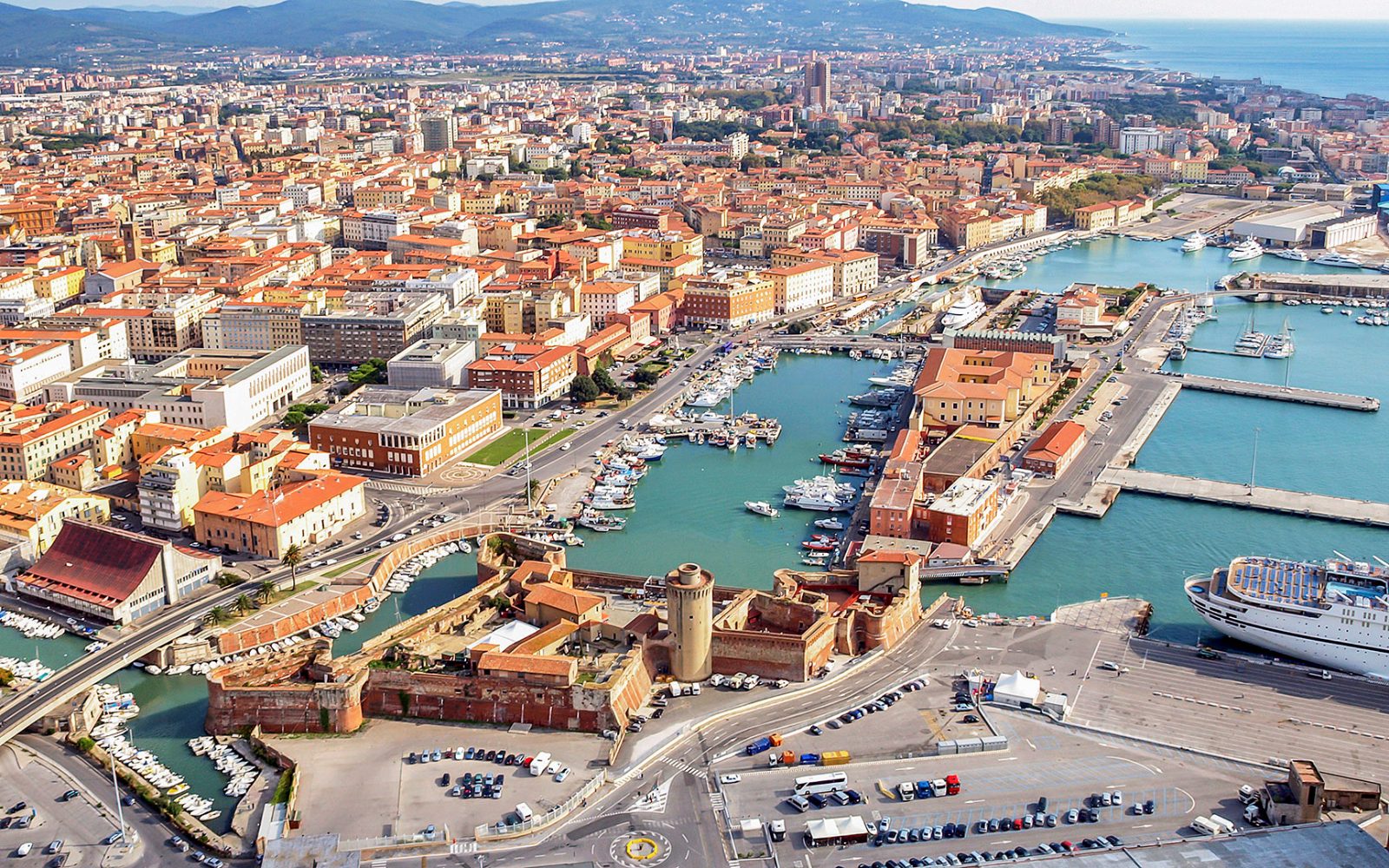
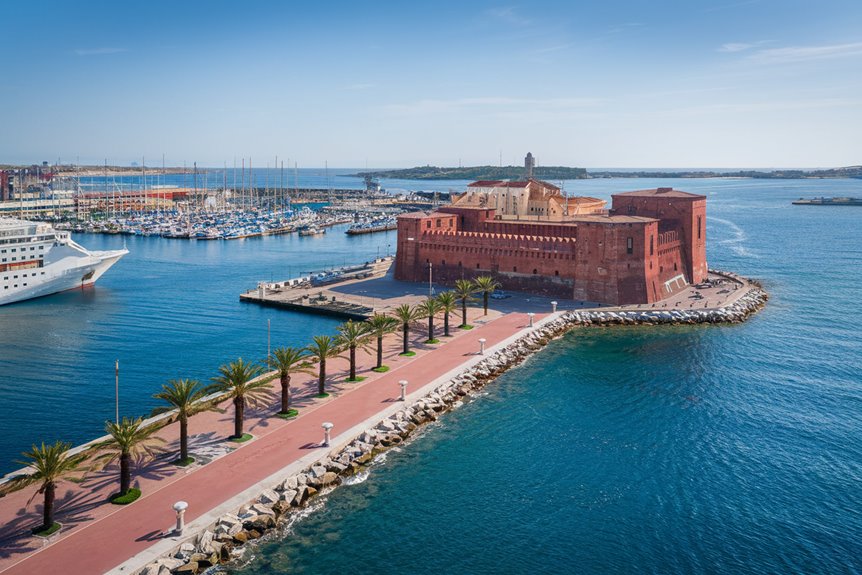
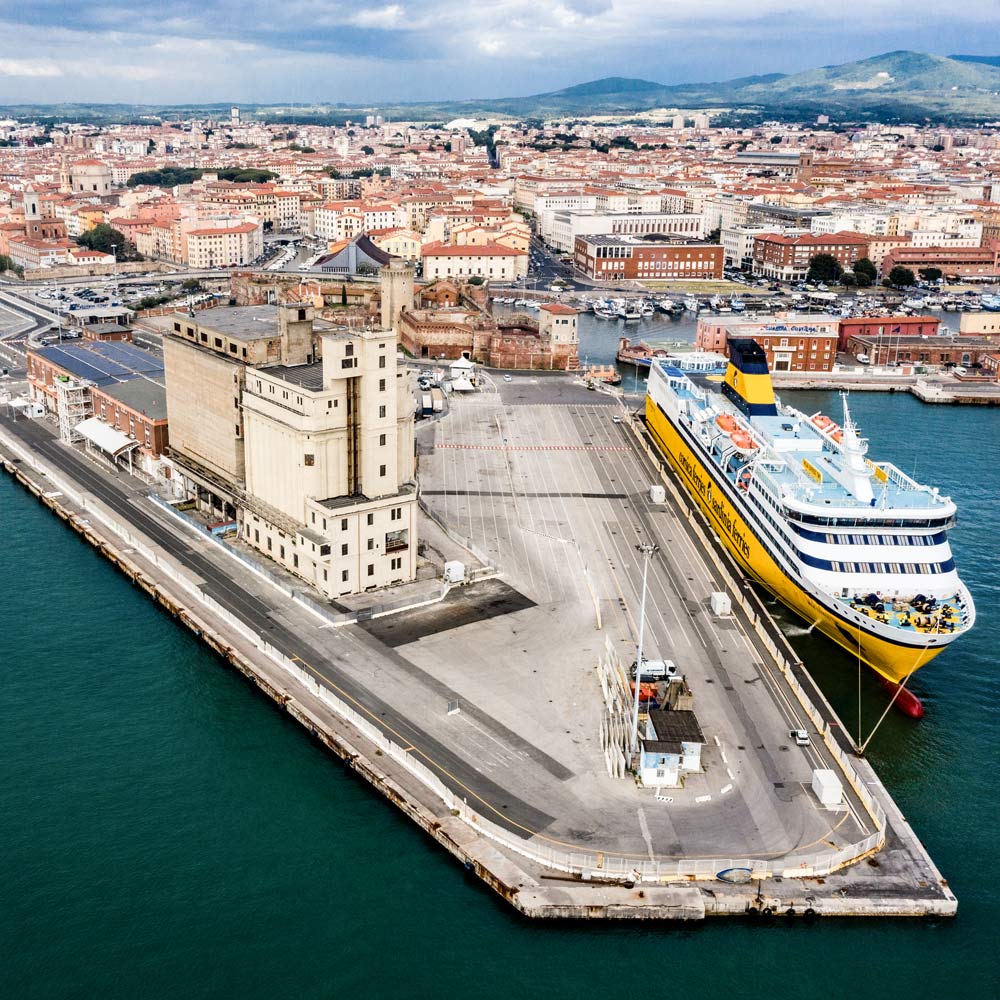
The Port of Livorno traces its origins to 1571, when Cosimo I de' Medici commissioned architect Bernardo Buontalenti to transform a small fishing village into Tuscany's gateway to the Mediterranean. Construction began in 1577 under Francesco I de' Medici, who envisioned a fortified harbor that would rival Genoa and Venice. Workers dredged channels, raised protective mole walls, and built the Fortezza Vecchia as the port's sentinel. By 1606, Livorno had grown into one of Europe's first free ports, attracting merchants from across the Mediterranean under Ferdinand I's Livornine laws that guaranteed religious tolerance and commercial freedom. The 19th century brought iron and steam. In 1844, the Leopolda railway connected Livorno to Florence, and by 1862 tracks extended to Lucca, linking the port directly to the walled city's silk and paper industries. Freight tonnage doubled within a decade. The modern cruise terminal at Piazzale dei Marmi emerged much later, developed in stages from the 1990s as Italy repositioned Livorno as a departure point for western Mediterranean itineraries. Today the livorno cruise port to lucca corridor serves over half a million passengers annually, most arriving between April and October. World War II nearly destroyed the port. Allied bombing campaigns in 1943 and 1944 flattened the waterfront, collapsed Renaissance warehouses, and severed the rail link. Reconstruction took a decade. Engineers rebuilt the moles using salvaged stone from Buontalenti's original foundations. The post-war port prioritized container shipping over passenger traffic until cruise tourism resurged in the 1980s. Modern livorno cruise port to lucca tours now depart from a terminal complex that stands on landfill pushed into the harbor during the 1970s expansion, a site that once lay underwater during the Medici era.
Cosimo I de' Medici commissions Livorno as Tuscany's new maritime gateway.
Buontalenti directs construction of fortified moles, channels, and the Fortezza Vecchia.
Ferdinand I declares Livorno a free port under the Livornine laws.
Railways connect Livorno to Florence and Lucca, transforming freight capacity.
Allied air raids devastate the port and sever rail infrastructure.
Post-war reconstruction prioritizes container terminals over passenger facilities.
Cruise terminal expansion at Piazzale dei Marmi repositions Livorno for Mediterranean tourism.
Stand on the wide, tree-lined promenade atop the Renaissance fortifications to capture the elevation of the city walls against the Tuscan landscape. This vantage point provides a clear perspective of the historic center's red-tiled roofs.
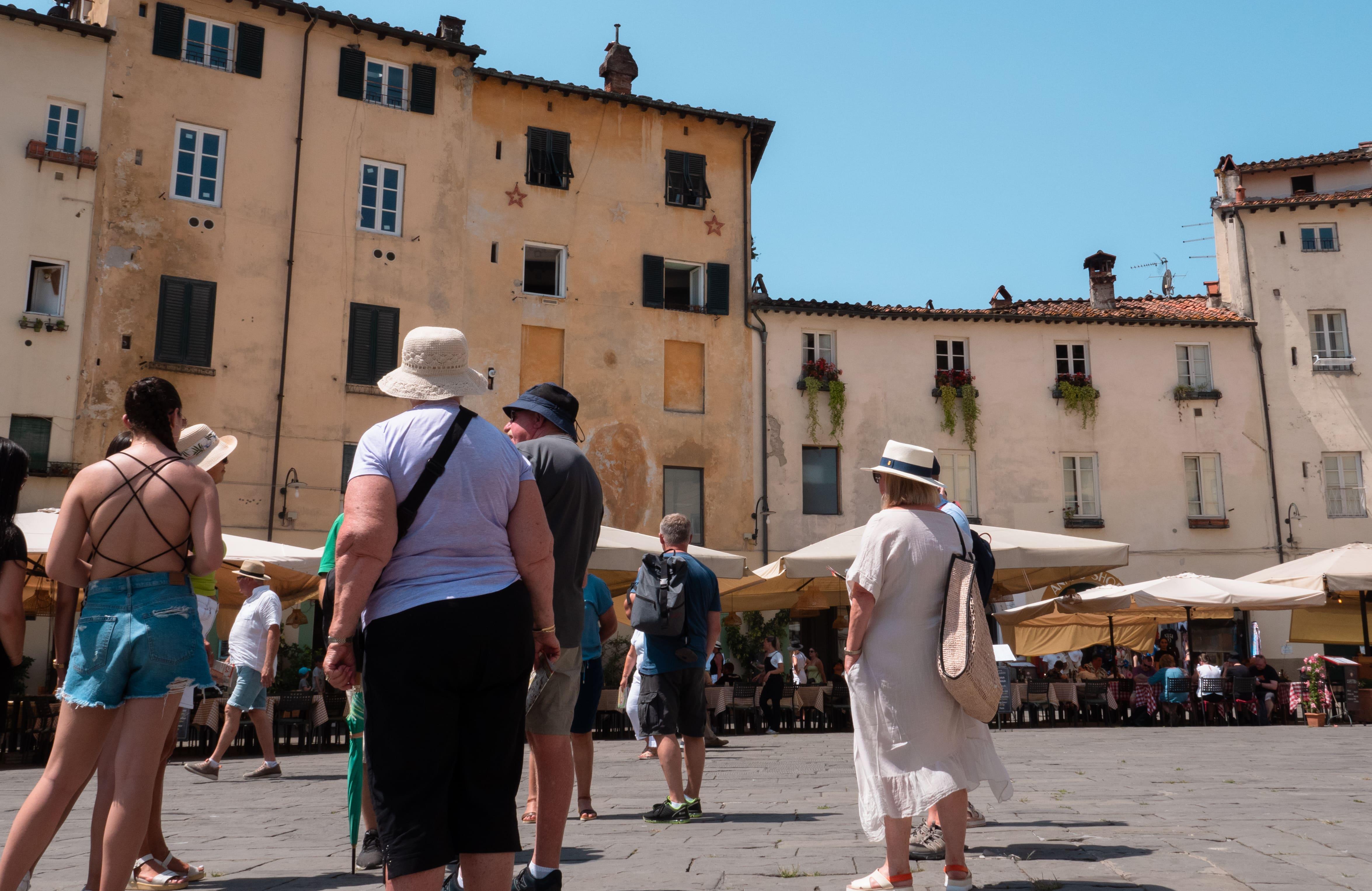
Position yourself in the center of this elliptical square, originally a Roman arena, to frame the curving yellow and ochre buildings. The unique architecture creates a perfect circular composition for architectural photography when navigating your livorno cruise port to lucca itinerary.
Climb the stairs of this medieval bell tower to photograph the signature holm oak trees growing from the top with the Apuan Alps in the background. This landmark is a primary highlight for those arranging livorno cruise port to lucca tours.
Capture the intricate marble facade of the cathedral from the center of the piazza to document the detailed relief carvings. The asymmetrical bell tower offers an interesting geometric contrast in your wide-angle shots.
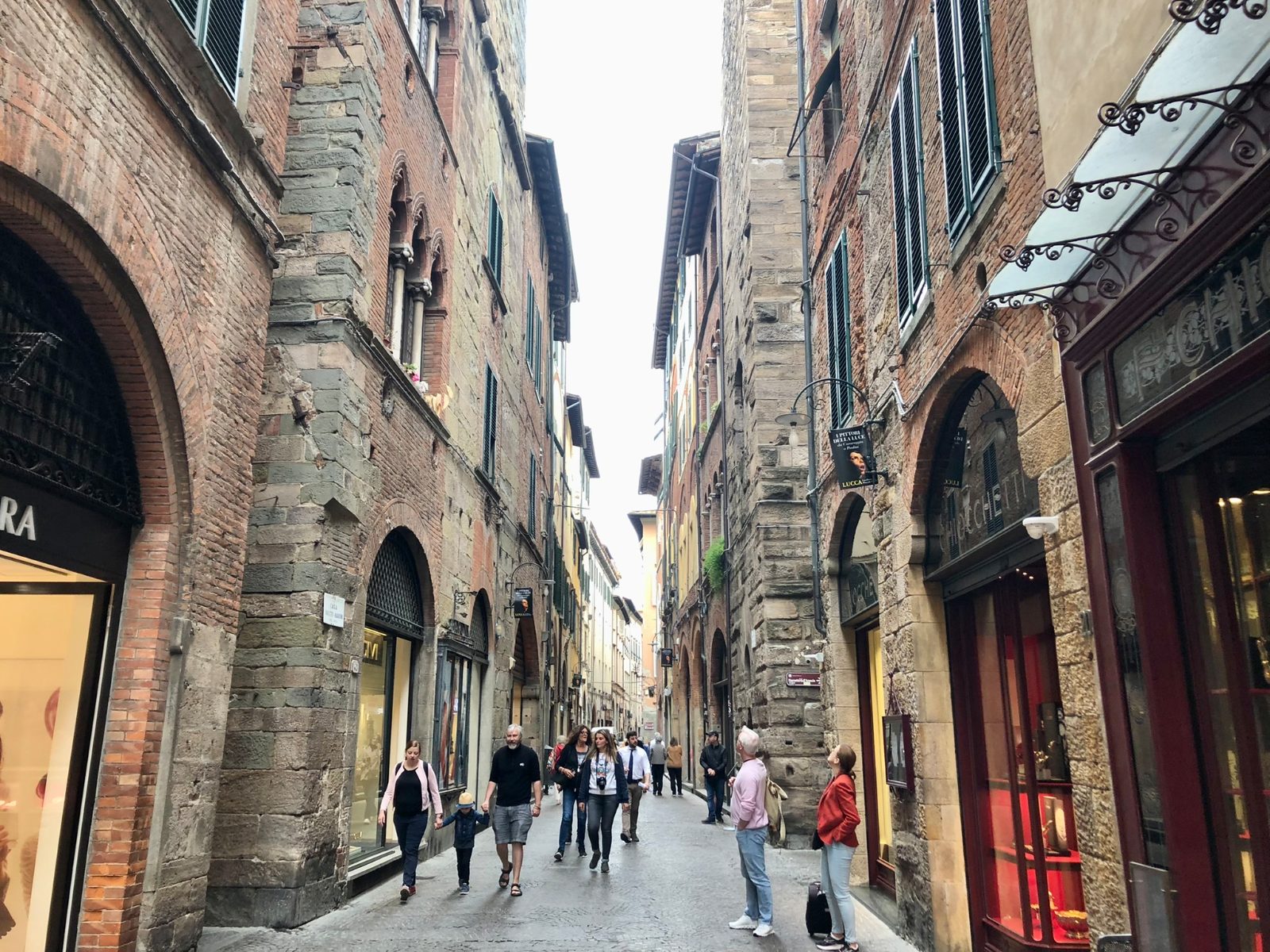
Shoot down this main thoroughfare during the transition from early transit arrivals to see the storefronts and historic tower glimpses. This provides a authentic sense of local life for those using private livorno cruise port to lucca tickets.
Navigating from the livorno cruise port to lucca is manageable for families, as the historic walled center is largely pedestrianized and flat. Planning your transit early helps ensure a smooth experience when exploring these Renaissance landmarks with children.
The city walls are paved and wide, making them ideal for strollers, though some narrow cobblestone side streets in the center require careful maneuvering. Opting for livorno cruise port to lucca tours that provide private transport can simplify moving gear from the ship.
To avoid fatigue, prioritize the wide promenade atop the ramparts for a stroller-friendly path that offers elevated views without car traffic. If you require livorno cruise port to lucca tickets for local bicycle rentals, seek those located near the main gates to minimize walking.
Public restrooms are available within the city, but it is wise to utilize facilities before departing the port or during your train/bus transfer. Bringing a portable changing mat is recommended as dedicated family rooms are not standard in all historic buildings.
When booking a livorno cruise port to lucca tour, check if the itinerary allows for unstructured time at the public gardens or the large squares. These open spaces provide necessary room for younger travelers to move around freely away from the busyness of the cruise excursion crowds.
Visitors planning a livorno cruise port to lucca excursion will find numerous authentic dining options nestled within the city's medieval stone ramparts. While the departure point at Piazzale dei Marmi, 57123 Livorno LI, Italy, offers limited facilities, Lucca serves as a premier destination for traditional Tuscan pasta and local wine.
A historic venue specializing in local game and handmade tordelli; ideal for those seeking a seated lunch during livorno cruise port to lucca tours.
Famous for its cecina and pizza al taglio, this is the perfect stop for a quick bite while exploring Lucca's piazzas on a livorno cruise port to lucca tour.
Located near the city center, this spot offers a rotating seasonal menu and is a favorite for travelers using pre-booked livorno cruise port to lucca tickets to maximize their time.
Everything you need to know for your journey
Yes, though the city has uneven cobblestone streets. Most of the main center is flat and accessible.
Public transit tickets are purchased at the station. No special tickets are required for general city entry.
Yes, photography is allowed throughout the public squares and historic landmarks. Professional gear may need permits.
Food and drink are permitted in public areas. Enjoy local cafes, but do not eat inside religious buildings.
Bring comfortable shoes, a water bottle, and a light jacket. Don't forget your identification and local currency for small purchases.
A unique elliptical space built on the site of a Roman amphitheater. It remains a focal point for local shops and cafes.
Notable for the oak trees growing on its summit. It offers panoramic views of the Tuscan landscape.
Features a Romanesque facade and houses the Volto Santo. It is a center of historical and artistic significance.
Extensive Renaissance fortifications that now serve as a pedestrian park. These walls offer a circuit for walking or cycling.
Historic building located near the Piazza del Giglio.
Features restored stables and modern amenities near the wall.
Functional lodging located within the walking district.
Simple accommodation options for price-conscious travelers.
Area outside the walls with diverse parking availability.
Join thousands of happy travelers who have discovered this incredible experience
Book Your Experience Now