8 hr
Florence & Pisa Shore Excursion with Accademia and Tower Options
- Expert local guide
- Small group
- Skip-the-line access
- Free cancellation
Livorno Cruise Port to Florence — Reserved Shore Excursions & Transfers
Renaissance art and Tuscan hillsides, all timed to your ship's departure
Compare fares, pick the fit — all bookings are mobile-voucher and eligible for free cancellation where shown.
8 hr
8 hr
4 hr
Navigating the route from livorno cruise port to florence requires choosing between official terminal services and external transport options. Selecting the right livorno cruise port to florence tour ensures a seamless transition between the maritime terminal and the heart of Tuscany.
| Port Facility Access Free Entrance |
Top pick Shuttle Bus Transfer Mandatory Connection |
|
|---|---|---|
| Entrance Fee | 0 EUR | Check local carrier |
| Access Areas | Piazzale dei Marmi | Port to City Shuttle |
| Operating Hours | 00:00–23:59 | Variable by schedule |
| Wait Time | N/A | Depends on departures |
| Best for | Independent visitors | Cruise passengers |
| See tickets & prices |
Verdict: Most visitors choosing livorno cruise port to florence tickets should prioritize the shuttle service to efficiently reach the transport hubs connecting to major landmarks.
Worth it for art lovers and first-timers
The livorno cruise port to florence journey covers roughly 90 km each way, meaning you'll spend 2–3 hours in transit out of your shore day. What you gain is access to Renaissance Florence — the Uffizi, Duomo, and Ponte Vecchio — plus options that pair Florence with Pisa or include skip-the-line Accademia entry and Tuscan tastings. Shore excursions from Livorno handle the logistics and guarantee ship-return timing, which matters when you're working against an all-aboard deadline. The Port of Livorno itself is an industrial facility; the real value lies in what you reach beyond it. If your cruise itinerary offers no other Tuscany stop, livorno cruise port to florence tours justify the travel time. If you dock in Civitavecchia the next day with a Rome excursion booked, or if Renaissance art isn't a priority, Pisa-only options use your hours more efficiently.
Bottom line: If Florence is your only Tuscany window and you value Michelangelo over beach time, the livorno cruise port to florence trip delivers.
Cruise line excursions prioritize seamless logistics, while independent travel offers greater freedom for those managing their own itinerary. They complement each other; most visitors who do both call independent travel the more flexible way to experience Tuscany landmarks.
|
Top pick Cruise Excursion |
Independent Travel | |
|---|---|---|
| Booking Ease | Done via cruise line portal | |
| Reliability for Cruise Schedule | Guaranteed ship wait policy | |
| Cost | Higher fixed per-person rate | |
| Flexibility | Fixed itinerary with group pace | |
| Stress Factor | Low due to operator oversight | |
| Transit Complexity | None (port-to-door service) | |
| See tickets & prices |
Verdict: Choose a cruise-organized livorno cruise port to florence tour for peace of mind regarding return times, or opt for independent train or private car transport if you prefer to customize your own livorno cruise port to florence tickets and exploration pace.
Hand-picked experiences loved by thousands of travelers
4 hours
Free Cancellation
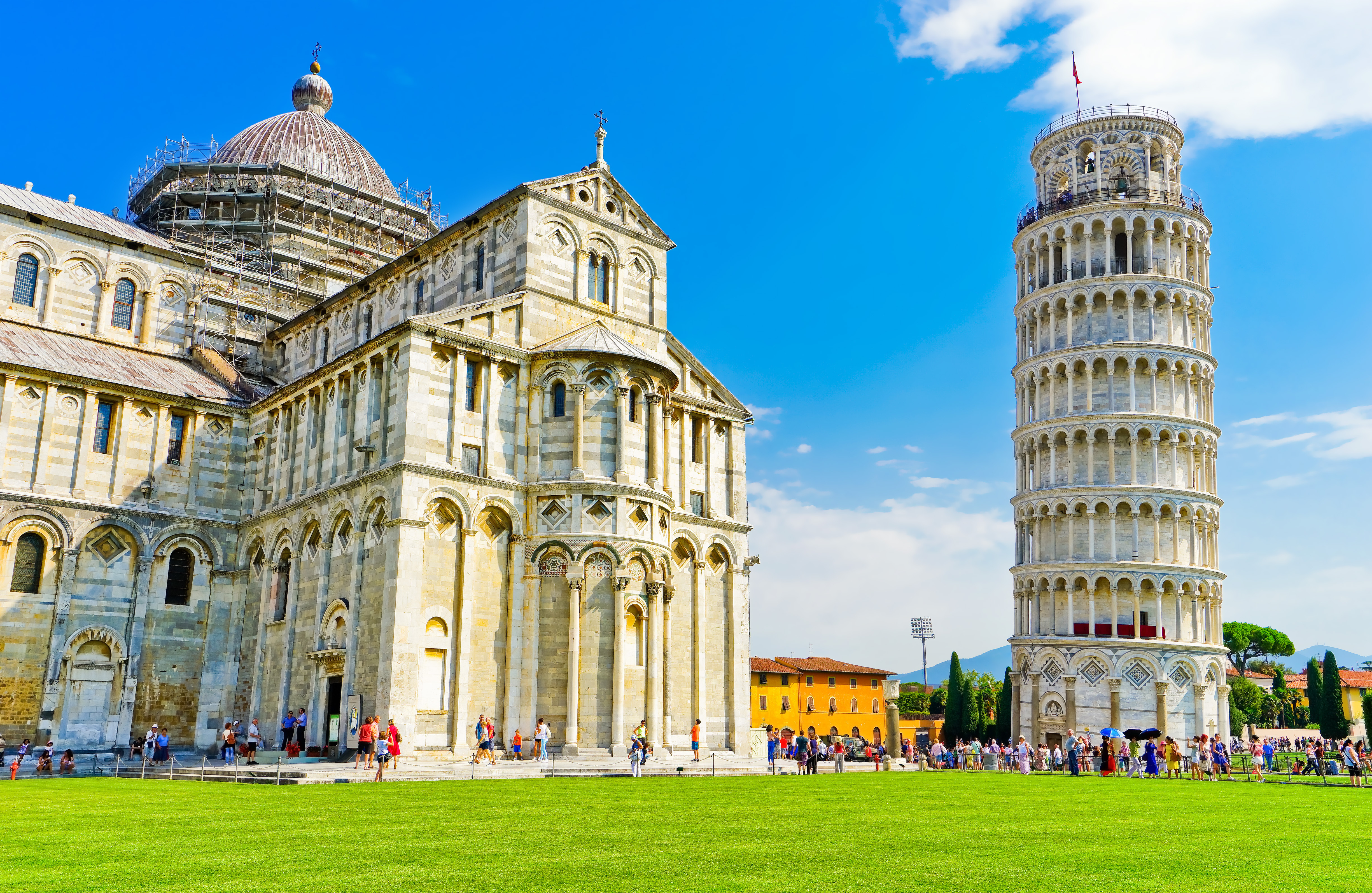
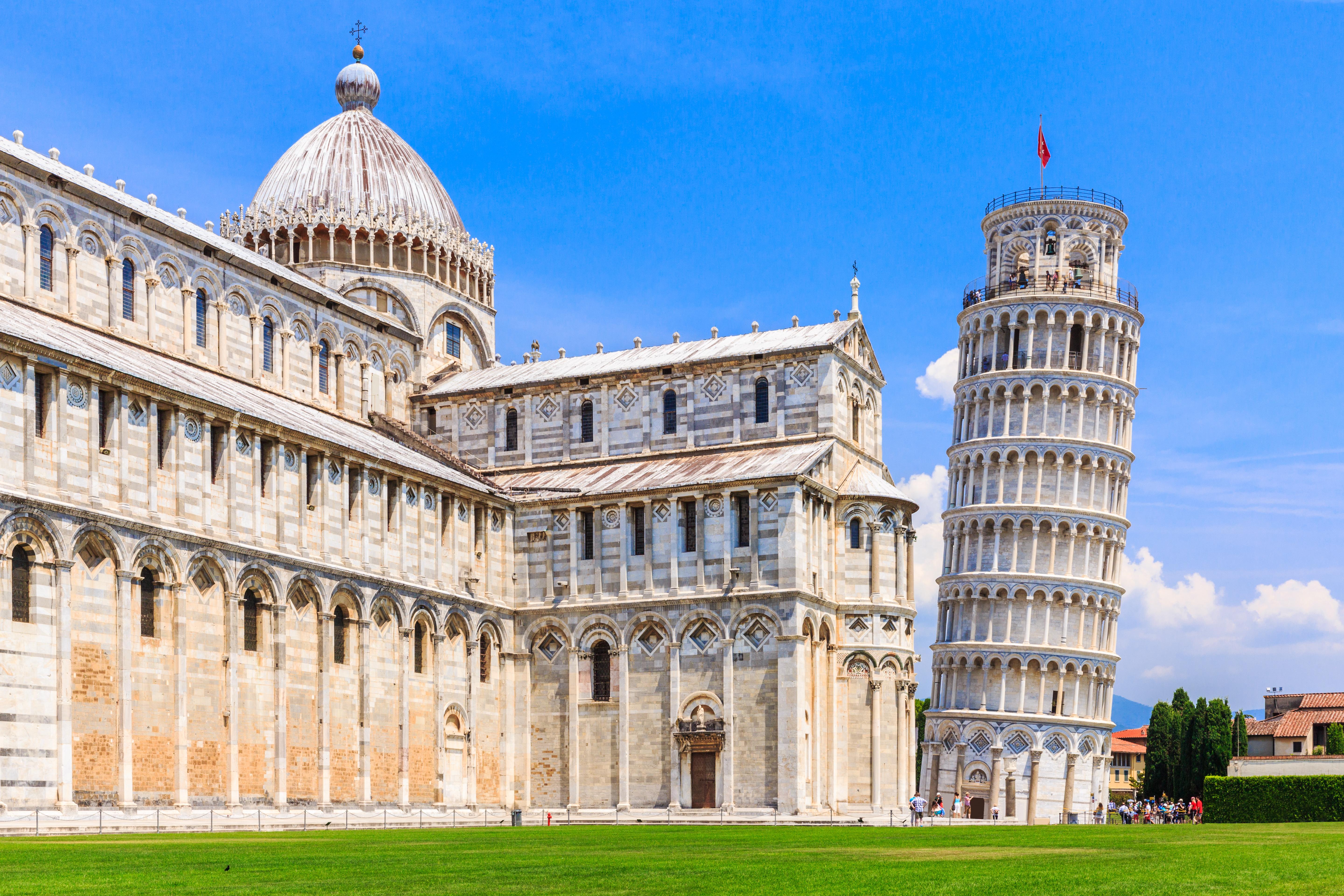
Round-trip coach transfer to Pisa's iconic square with free time to explore medieval monuments
8 hours
Free Cancellation
Explore Renaissance treasures and savor authentic Tuscan flavors on this cruise-friendly day trip
7 hours
Free Cancellation
Visit two iconic Tuscan cities in one day with comfortable Wi-Fi-equipped transport and flexible guided options.
8 hours
Free Cancellation
Discover Renaissance treasures on a guided excursion from Livorno with museum entry options
9 hours
Free Cancellation
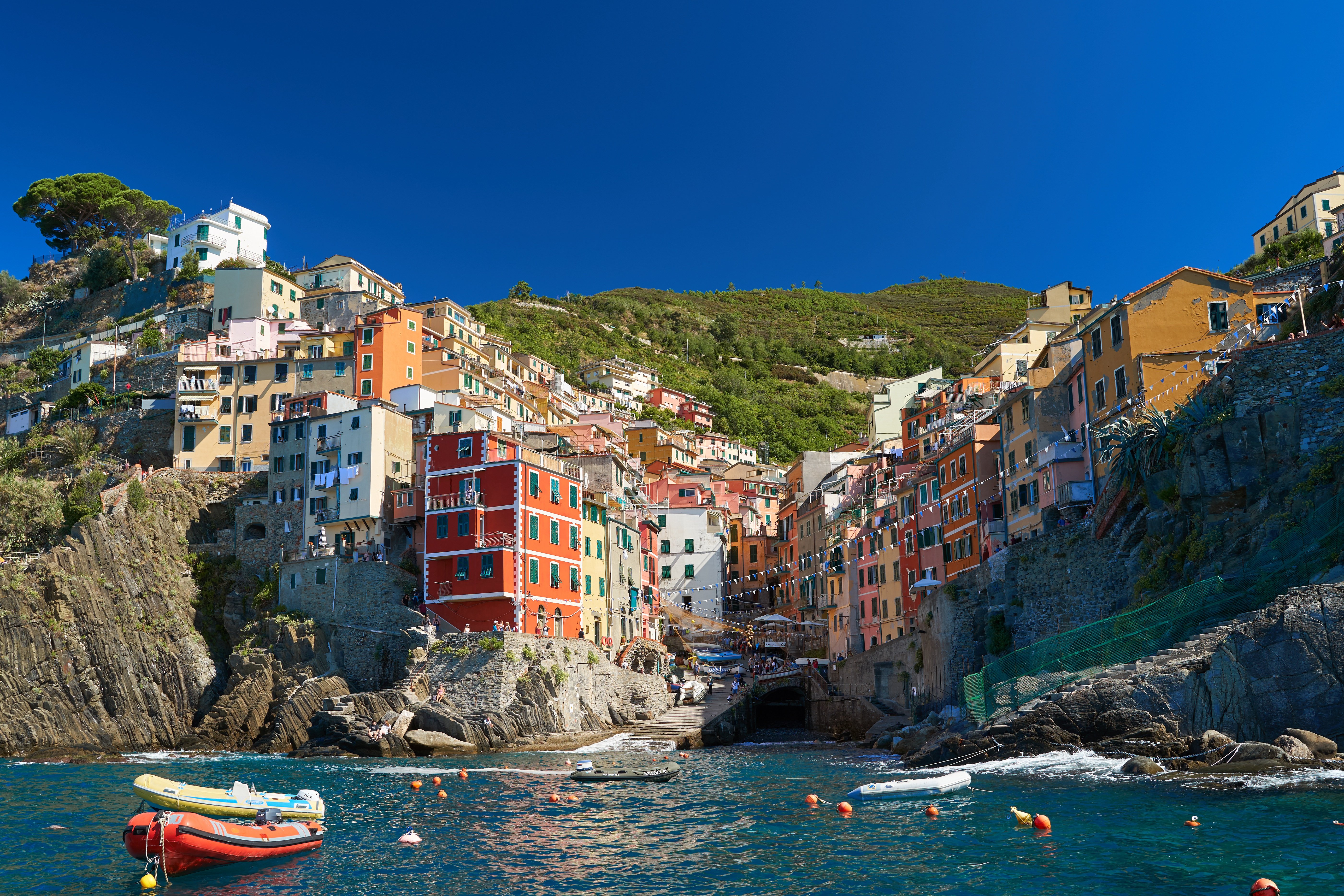
Discover iconic Pisa and the stunning coastal village of Manarola on a full-day guided excursion
8 hours
Free Cancellation
Discover Renaissance art and architecture with convenient port transfer and flexible sightseeing
4 hours
Free Cancellation
Affordable shuttle from cruise port to Pisa with flexible sightseeing time at UNESCO landmarks
8 hours
Free Cancellation
Visit two iconic Tuscan cities in a single day with convenient port pickup and comfortable transport.
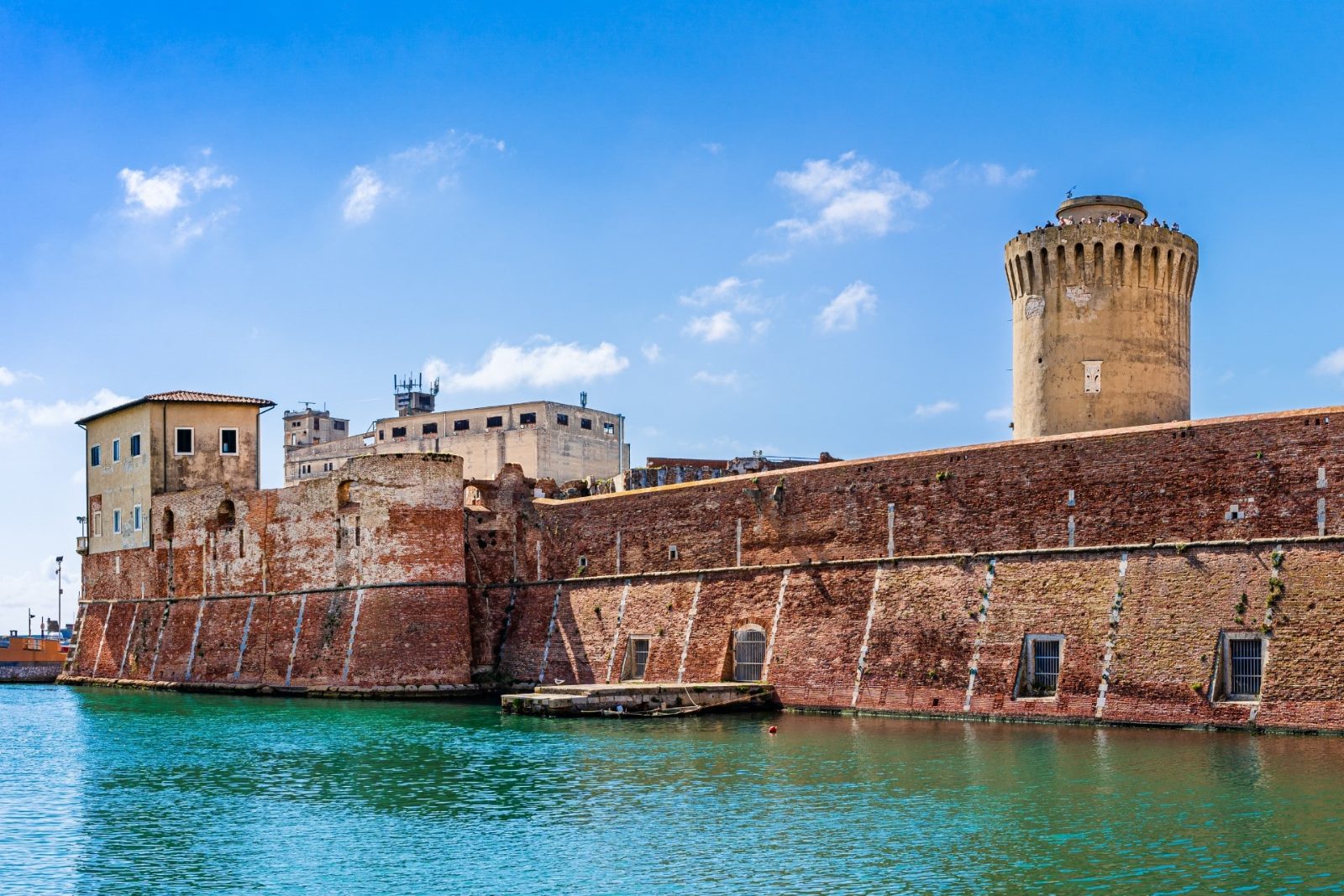
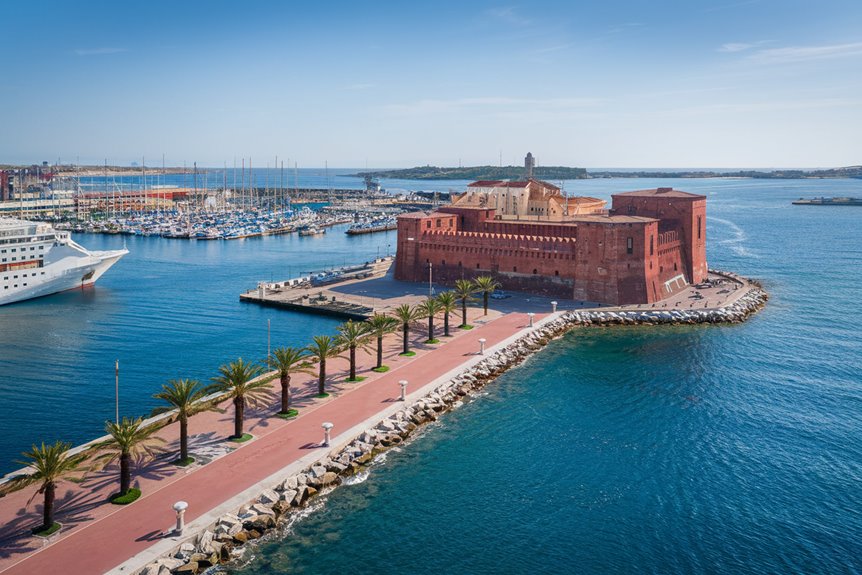
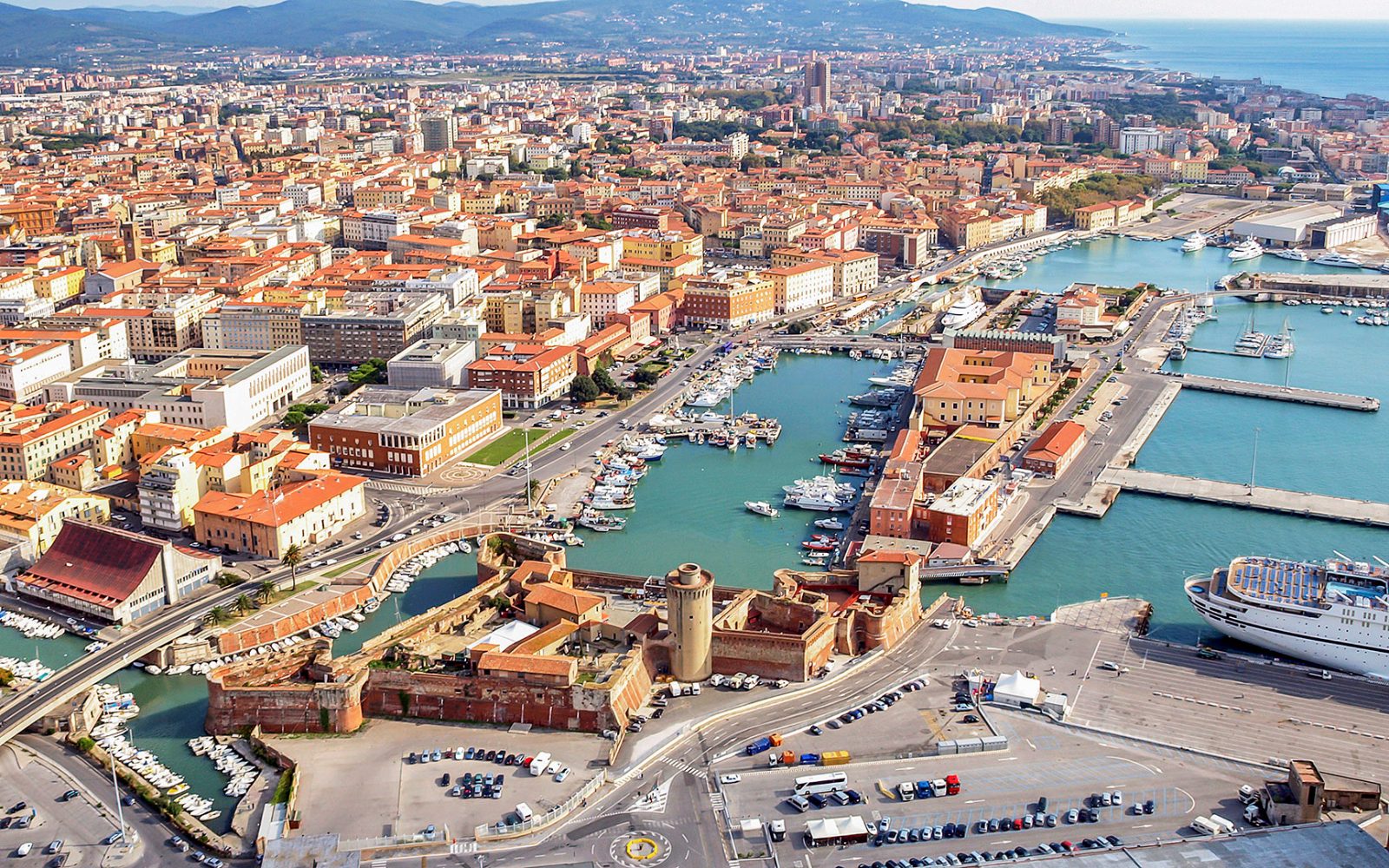
A 16th-century fortification structure reflecting the historic influence of the Medici family in Livorno.
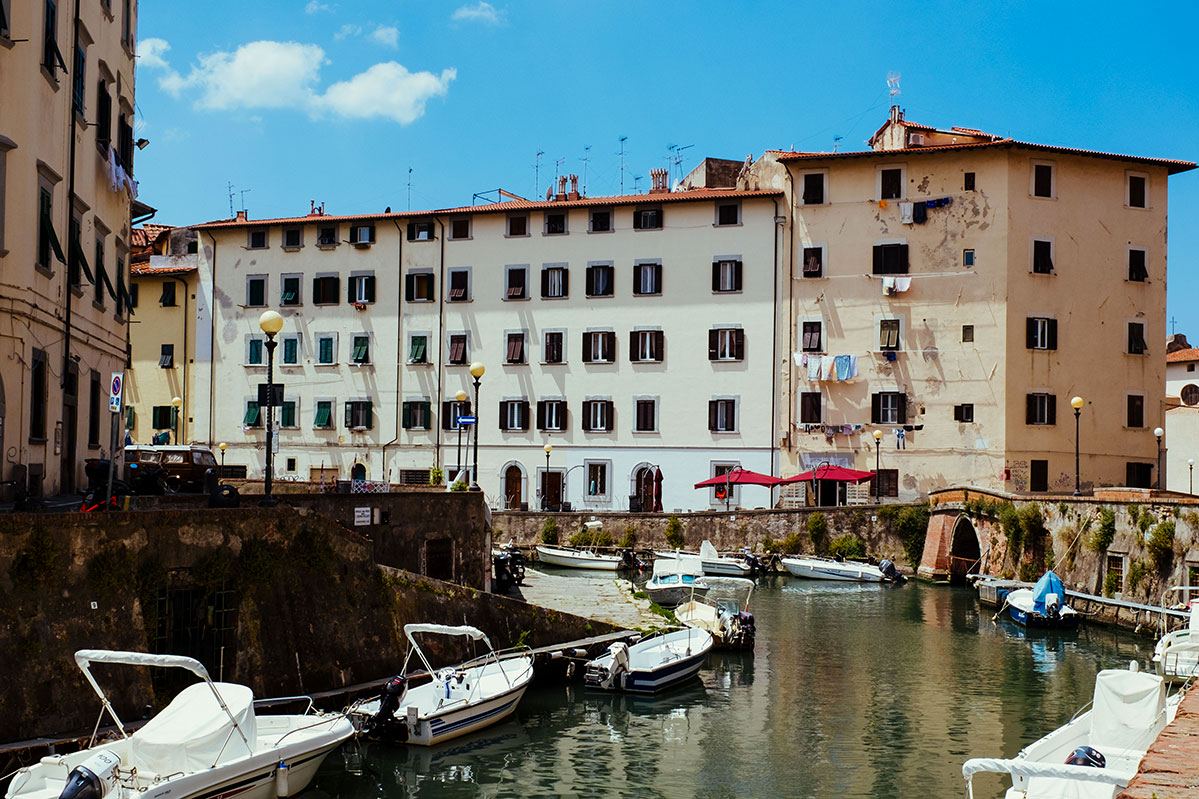
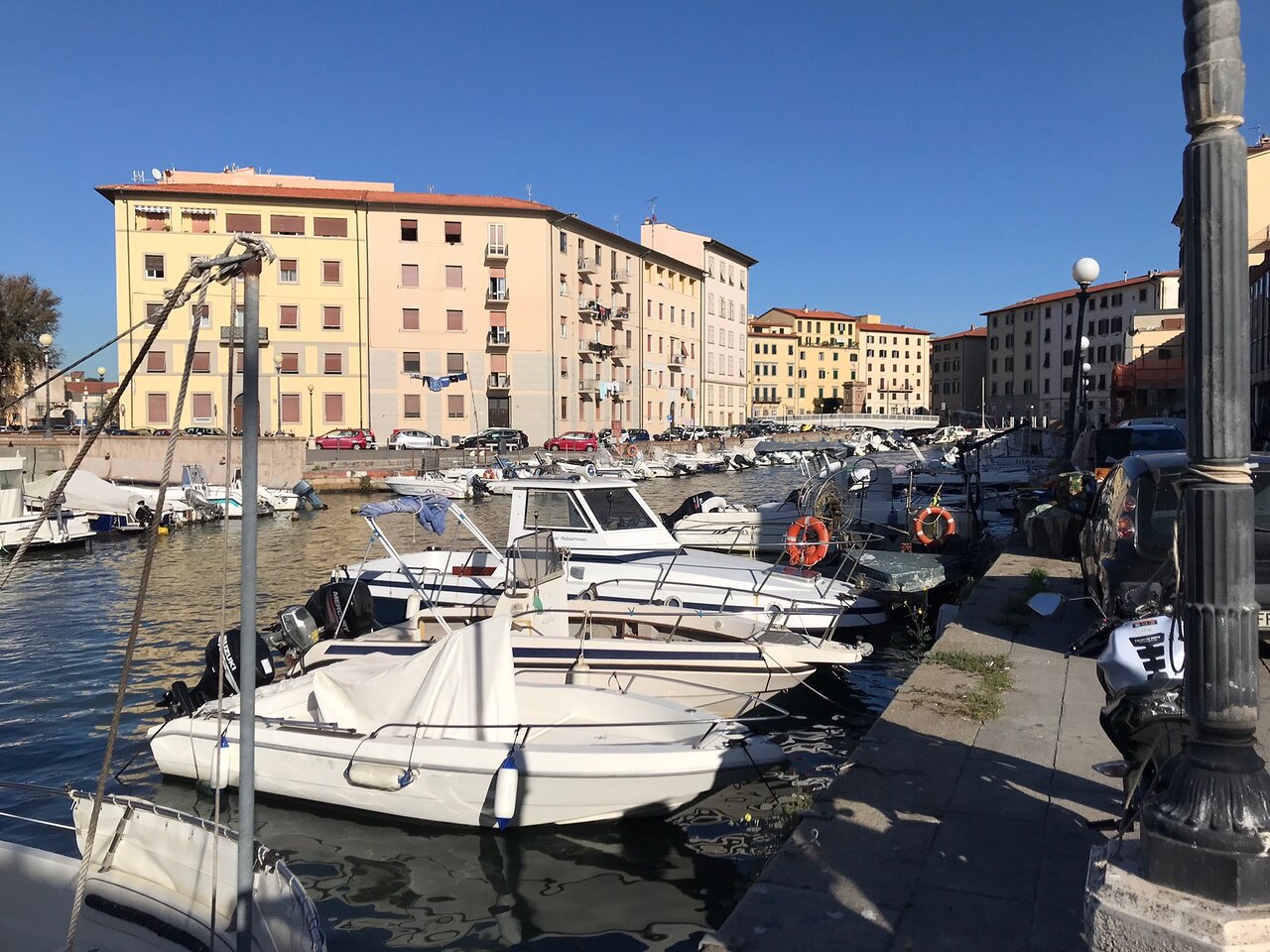
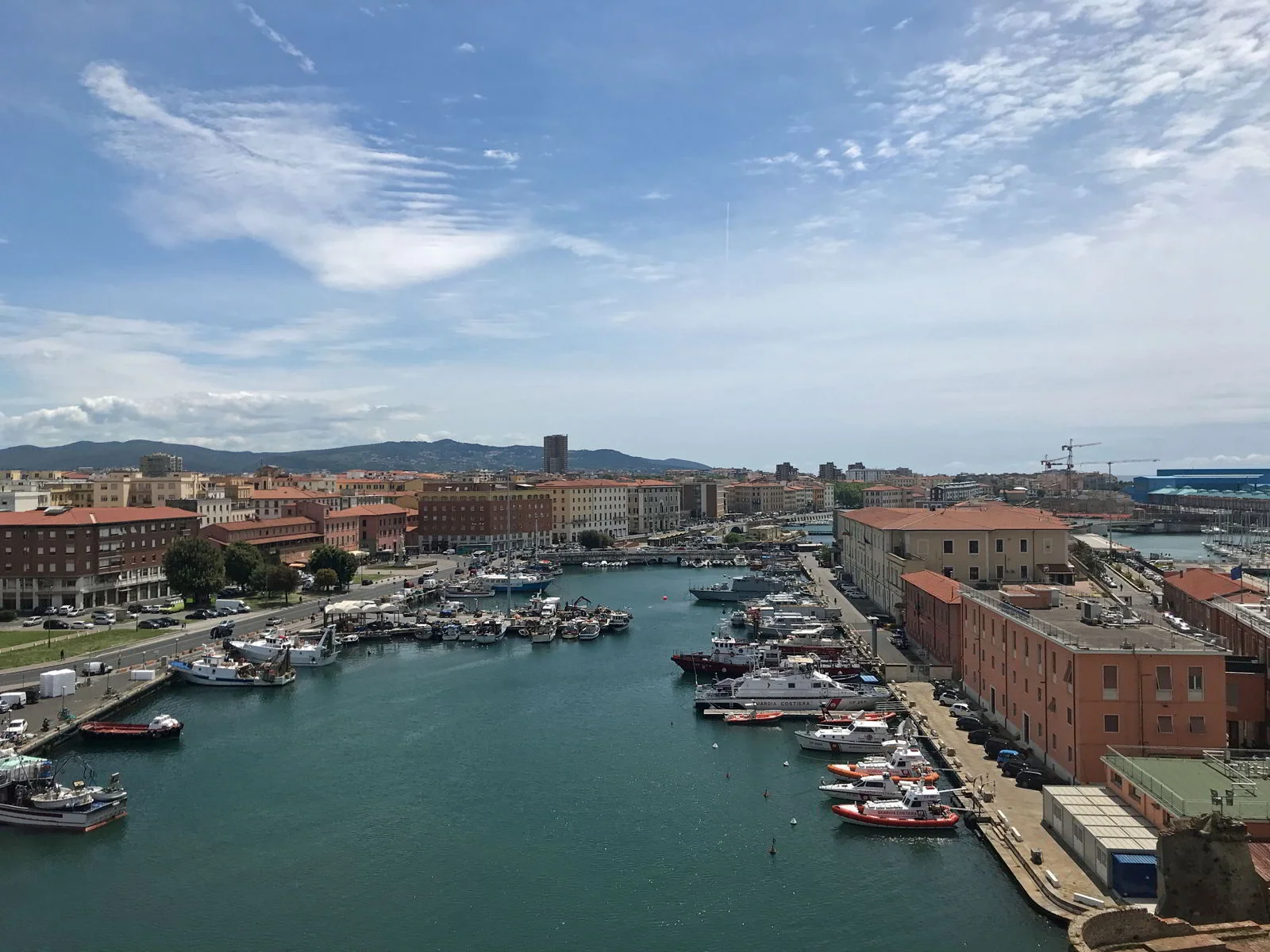
The heart of the city's maritime history, featuring canals and traditional architectural styles.
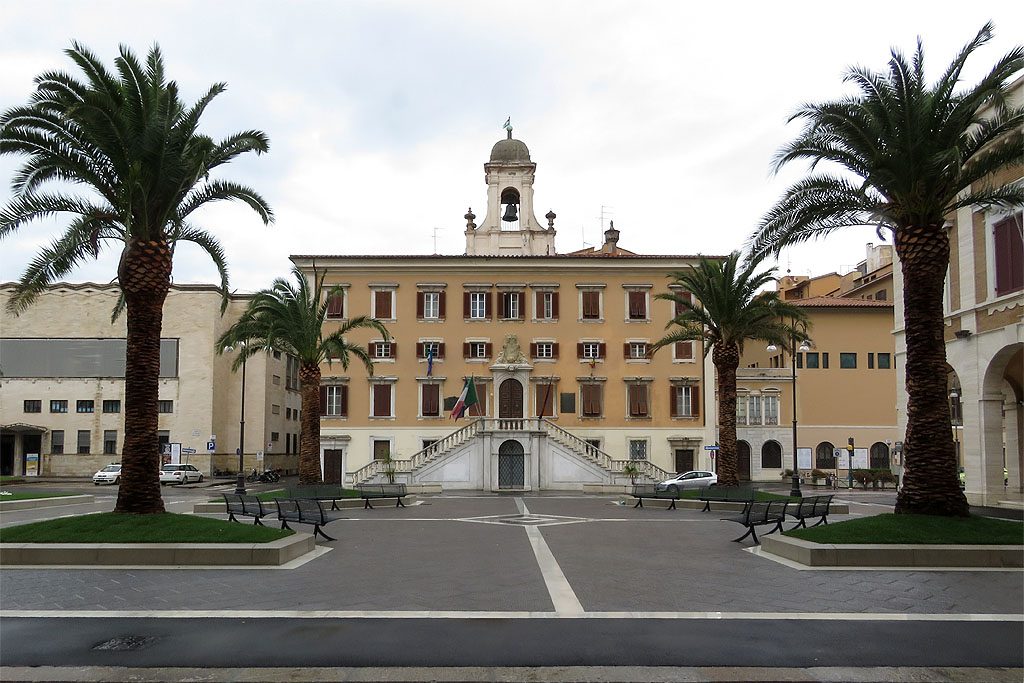
The central square in Livorno serving as the drop-off point for shuttle services.
All the details about your upcoming adventure in one place
The Port of Livorno receives over 650,000 cruise passengers annually, most disembarking at Piazzale dei Marmi with a single goal: reach Florence before the coach crowds form outside the Uffizi.
The 95-kilometre corridor linking Livorno's industrial waterfront to the Arno valley has defined Tuscan tourism since the 1960s, when the first American cruise lines began scheduling eight-hour calls. Today's shore excursions depart the port terminal between 07:00 and 09:00, threading the Autostrada A11 past olive groves and medieval hilltowns, arriving at Piazzale Michelangelo or Santa Maria Novella station by mid-morning.
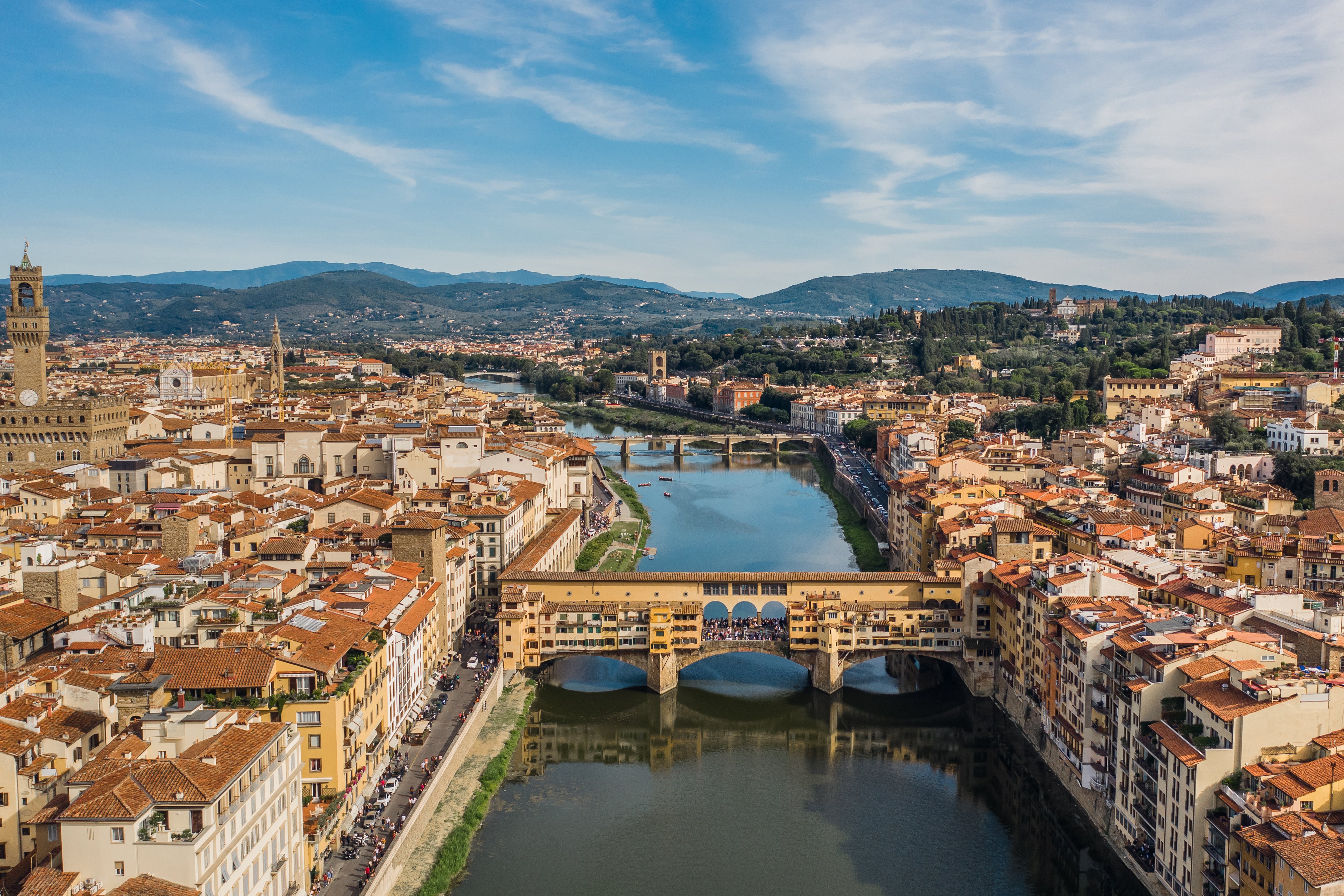
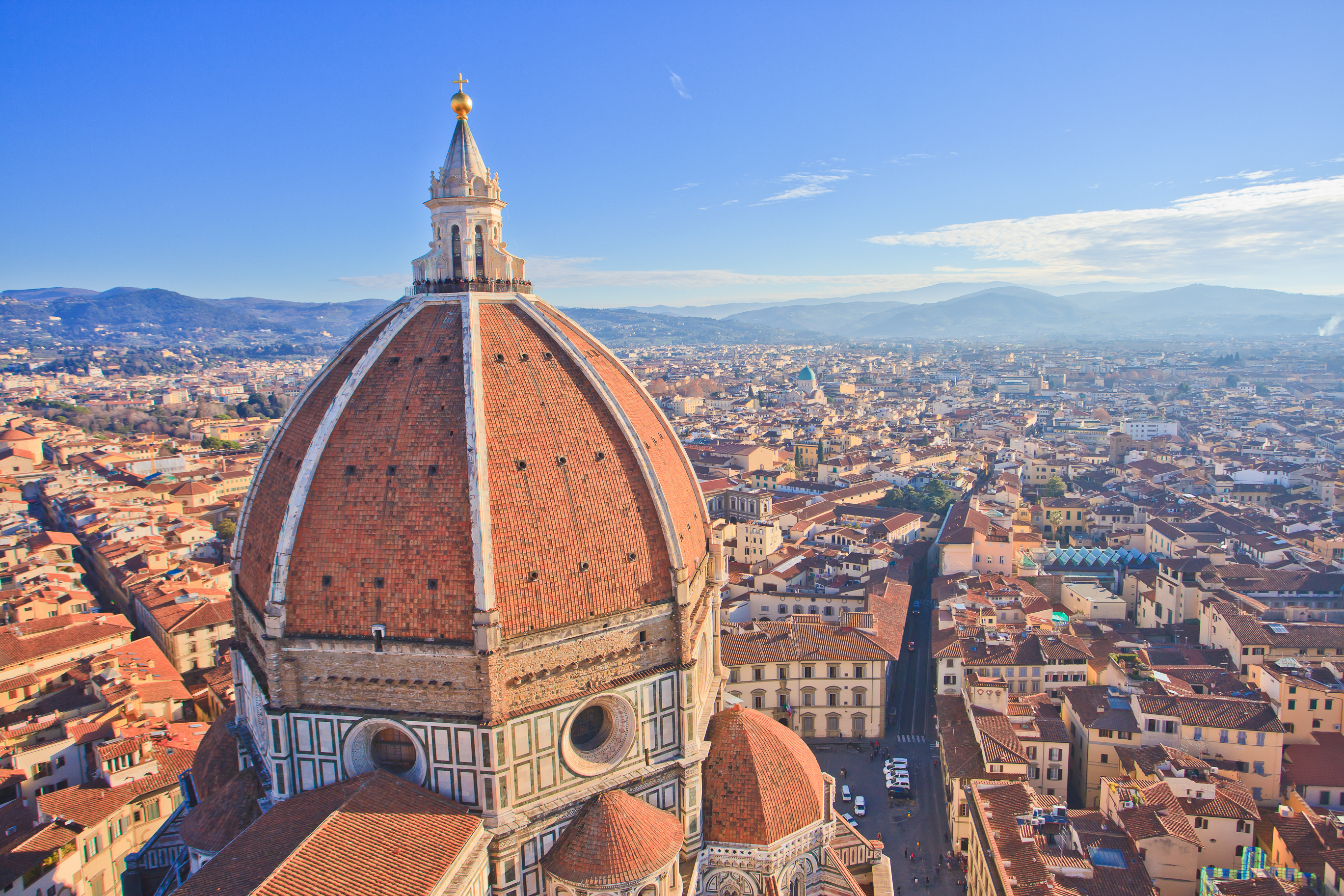
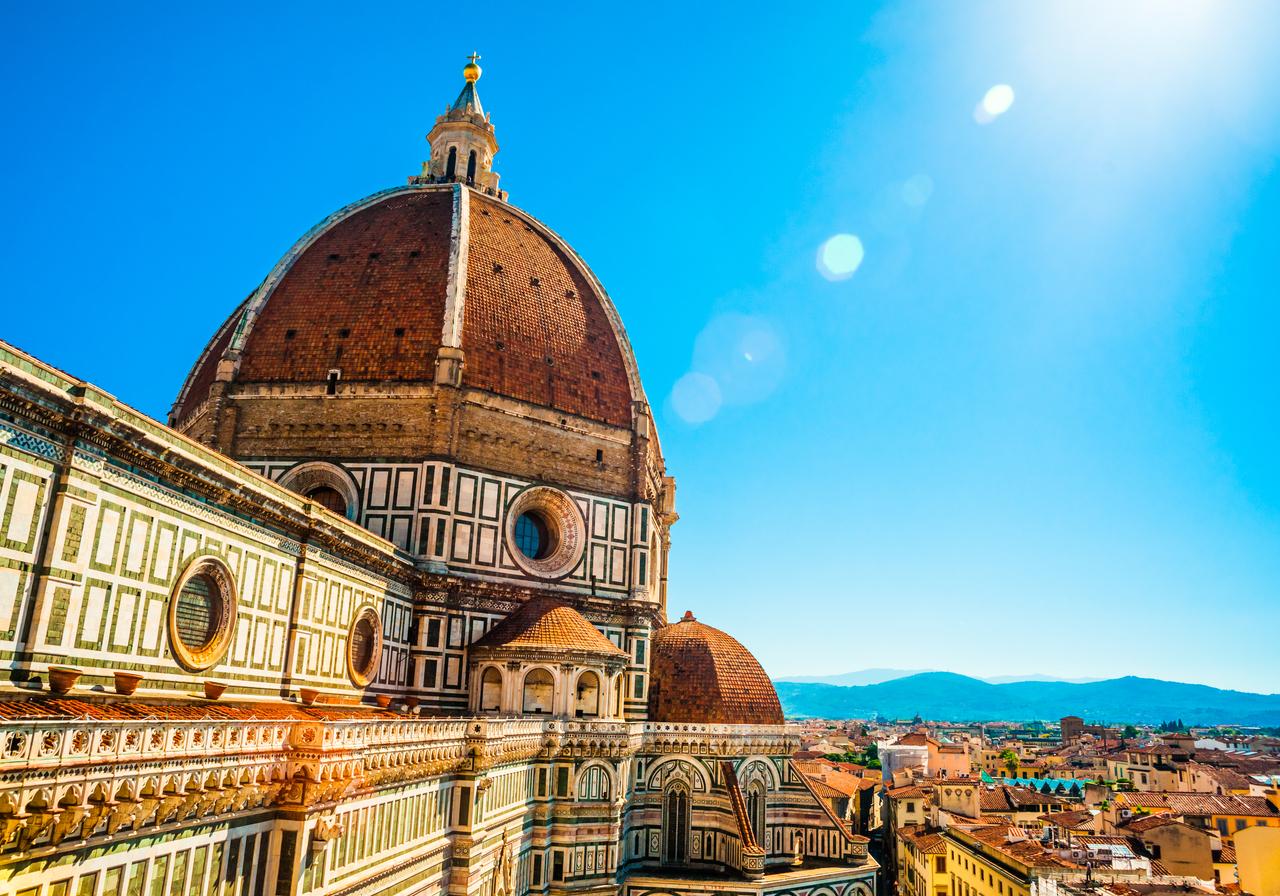
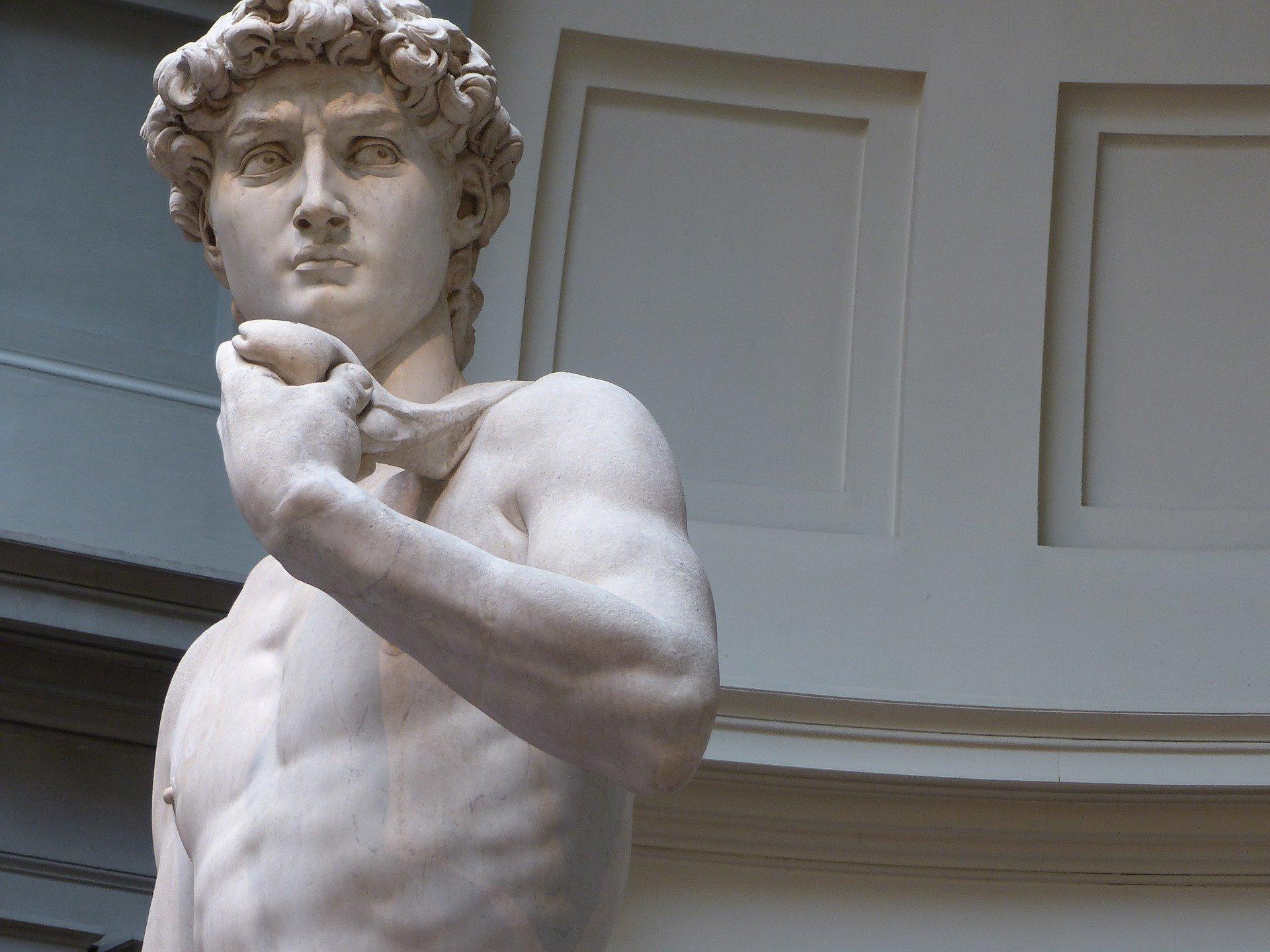
Florence's compact centro storico—Brunelleschi's dome, the Accademia, Ponte Vecchio—sits 90 minutes from the quay, yet shore excursion itineraries typically reserve three to four hours for guided walks and reserved museum entries. The Accademia, housing Michelangelo's David since 1873, anchors most premium tours; skip-the-line access shaves 90 minutes from general-admission queues that routinely exceed 600 visitors by 11:00. Combined Florence-and-Pisa itineraries add the Campo dei Miracoli and its 56-metre marble campanile, extending total travel time to six hours.
Livorno itself, rebuilt after 1944 Allied bombardment, offers little Renaissance patrimony; its role is logistical. Mandatory shuttle buses ferry passengers from berth to terminal gate, a 1.2-kilometre journey the port authority prohibits on foot. Most Livorno cruise port to Florence tours include return transfers timed to the ship's all-aboard call, typically 18:00 or 19:00 depending on the line's published itinerary. Tuscan tastings—Chianti, pecorino, crostini—feature in extended excursions that loop through San Gimignano or the Chianti Classico appellation, adding vineyard stops between the two cities. The route's popularity has spawned 42 competing shore-excursion products; five dominate booking volume, all departing the terminal within the 07:00–09:00 window to maximize Florence time before the coach park at Piazzale Michelangelo reaches capacity.
The 95-kilometre corridor linking Livorno's waterfront to the Arno valley has defined Tuscan tourism since the 1960s.
Cancellation terms for a livorno cruise port to florence tour vary by operator; confirm specific booking conditions. Access to the port facility itself is 0 EUR.
Weather · crowds · average price — dots go green to amber to red as each metric rises.
Mild temperatures ideal for walking. March-May sees blooming Tuscan landscapes and manageable crowds.
Arrive at the shuttle early to maximize your time in Florence.
The Port of Livorno emerged in the late sixteenth century as one of the most ambitious harbor projects of the Renaissance. Grand Duke Ferdinando I de' Medici commissioned architect Bernardo Buontalenti to transform a modest coastal settlement into a fortified commercial gateway. Construction began in 1590, and by 1606 the port officially opened with protective moles extending into the Tyrrhenian Sea. Ferdinando issued the Livornina constitution in 1593, granting unprecedented religious freedom and tax exemptions to merchants of any faith or nationality. The decree attracted Sephardic Jews expelled from Iberia, Greek Orthodox traders, Armenian merchants, and English factors, making Livorno Europe's first truly cosmopolitan free port. The eighteenth century brought prosperity but also vulnerability. British naval blockades during the Napoleonic Wars strangled commerce, and French occupation from 1796 to 1814 dismantled the free-port privileges that had fueled growth. Recovery accelerated after Italian unification in 1861, when new railway connections linked Livorno to Florence and the interior. Steamship lines replaced sail, and the port expanded with steel cranes and coal bunkers. Allied bombing in 1943 destroyed seventy percent of the harbor infrastructure and the medieval Fortezza Vecchia, leaving the waterfront in ruins. Post-war reconstruction prioritized industrial shipping over passenger traffic, but the cruise industry arrived in the 1990s as Mediterranean tourism surged. The modern terminal at Piazzale dei Marmi opened in 2001 to handle mega-ships, though passengers face a mandatory shuttle to reach the city center two kilometers away. Today the livorno cruise port to florence route channels more than 600,000 annual visitors, most bound for Tuscany's Renaissance capital. Shore excursion logistics now define the port's identity, a utilitarian gateway rather than a destination, its layered past visible only in the restored seventeenth-century bastions overlooking container stacks and boarding gangways.
Grand Duke Ferdinando I commissions Buontalenti to build a fortified harbor, officially opening the Port of Livorno in 1606.
The Livornina constitution grants religious freedom and tax breaks, drawing Jewish, Greek, and Armenian merchants to the new free port.
French occupation and British naval blockades during the Napoleonic Wars cripple trade and suspend free-port privileges.
Italian unification and new rail links to Florence restore Livorno's role as Tuscany's primary maritime gateway.
Allied bombing destroys seventy percent of port facilities, including the Fortezza Vecchia and historic docks.
A modern cruise terminal opens at Piazzale dei Marmi, accommodating large vessels and establishing shuttle transfers to the city center.
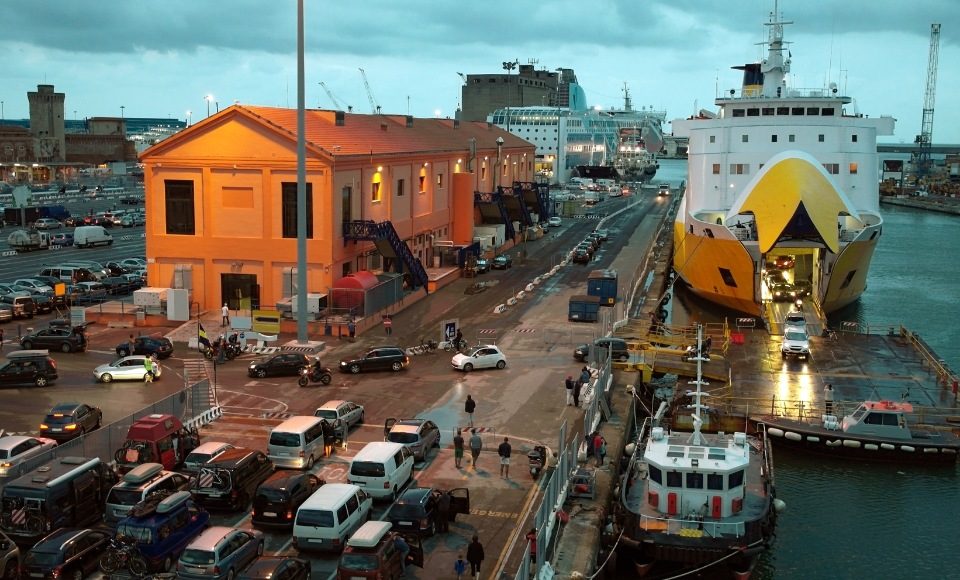
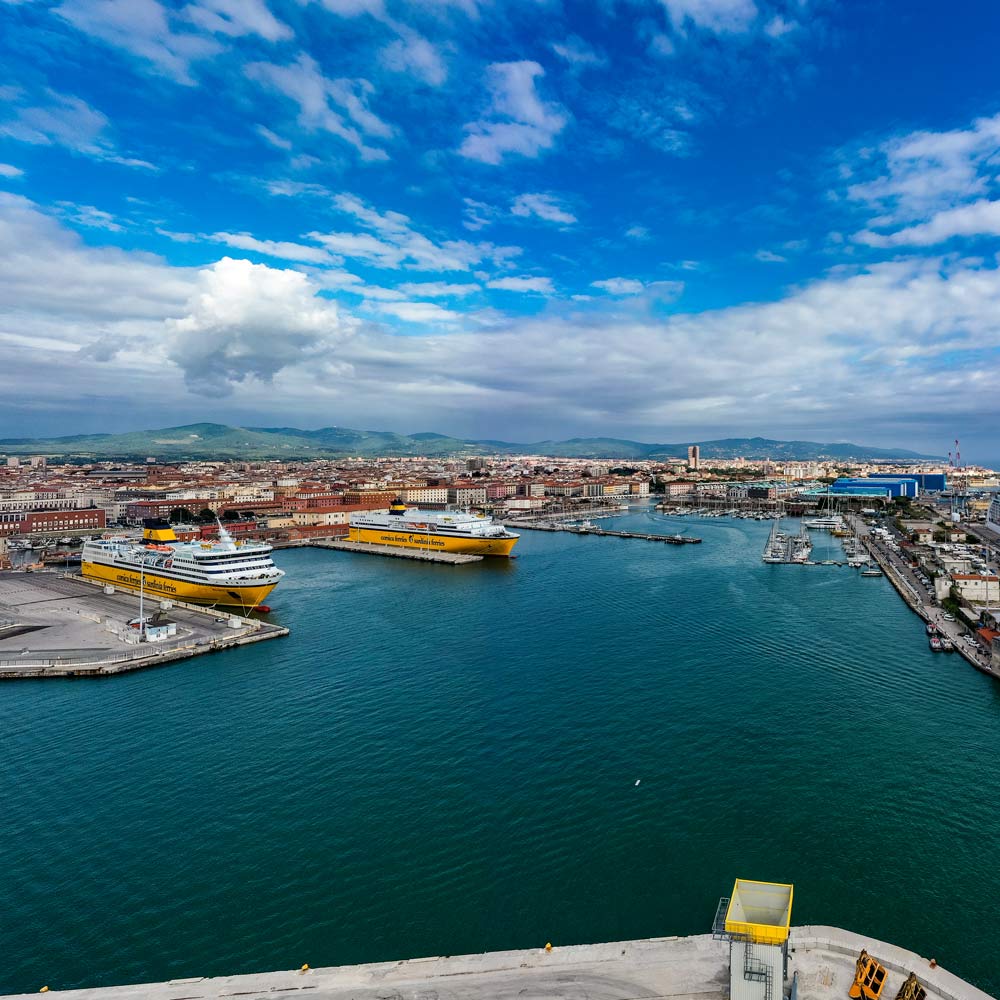
Position yourself near the main terminal building to capture the expansive cruise ship docks and early morning maritime activity. This provides a clear perspective of the port infrastructure before boarding your transit.
Traveling from the livorno cruise port to florence with children requires careful planning to manage travel fatigue and ensure a smooth transit. Selecting comfortable transportation is essential when navigating from the coast to these historic city landmarks.
Florence features extensive cobblestone streets that make strollers challenging to maneuver, so a lightweight, collapsible model or a comfortable baby carrier is highly recommended.
The journey from the port can be long, so plan for frequent breaks and consider choosing livorno cruise port to florence tours that allow for a flexible pace.
Opting for private car services or pre-booked livorno cruise port to florence tickets for trains can reduce stress compared to navigating public transit with tired children.
Public restrooms in Italy often require small change, and while the port facility is accessible, family-friendly baby-change stations are more readily available in larger Florence museums and cafes.
Always keep snacks and water handy during the transit, as the travel time when booking a livorno cruise port to florence tour can be significant for younger travelers.
You will find more substantial culinary experiences once you arrive in the city center during your day-long Italian landmarks exploration.
Located within the port area, this spot offers quick espresso and pre-packaged snacks for those securing livorno cruise port to florence tours. It is ideal for a fast caffeine boost before boarding your transport.;Trattoria dell'Oste
Everything you need to know for your journey
The train to Florence takes approximately 1.5 hours from Livorno Centrale station.
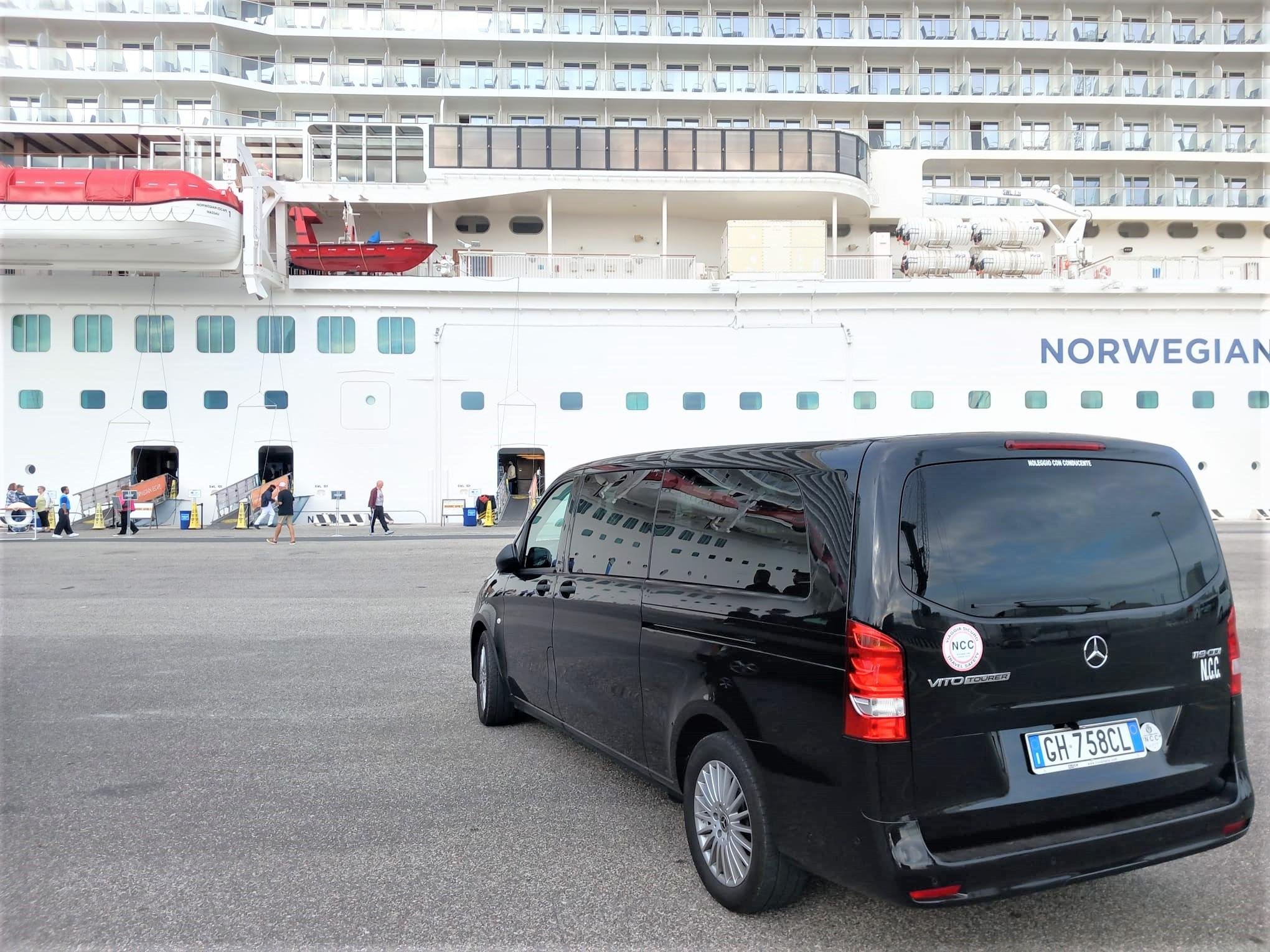
Yes, free shuttle buses are provided to take passengers to the city centre.
While some livorno cruise port to florence tour providers offer last-minute bookings, we suggest reserving in advance.
Taxis and the 1+ bus are the most reliable methods to reach Livorno Centrale.
Always allow sufficient buffer time for your return to ensure you don't miss your ship.
A 16th-century fortification located near the Medicean Port.
Iconic checkerboard-patterned terrace overlooking the Tyrrhenian Sea.
A cathedral rebuilt after World War II, located in Piazza Grande.
Historic covered market showcasing local Tuscan produce.
Centrally located near dining and the main square.
Proximity to the old harbor and historic sites.
Convenient for early morning train departures.
Join thousands of happy travelers who have discovered this incredible experience
Book Your Experience Now